Blog | Z Hostel - Part 6
(632) 8856 0851 | (63) 917 889 8531
Share
Z Hostel

Blog

Amazing music, bright lights, and tequila shots: Z Street’s Cinco De Mayo Beach Party

The heartbeat of Makati that is Poblacion just became brighter and more colorful last May 5, 2017 as Z Hostel gathered its neighbors for Cinco De Mayo Beach Party in the now hotspot Z Street!

From vibrant banderitas and street lights to amazing performances by local and international acts, the party quickly turned first Friday into a night of music, food, and revelry. Travelers and locals alike were treated to pumping beats and soulful tunes by The Hernandez Bros and Mia Fernandez while basking in the city skyline up in the Z Roof Deck. The Z team and staff definitely came in style — beach hats, garlands, and floral shirts.

The building that houses the concept restaurants Wild Poppy, Alamat, Smokeyard, and Bucky’s were overflowing with guests enjoying great food, popping booze, and amazing music by Saxybeast.

Just right across Z Hostel, a building garage was opened and became Merkanto St. for a night where food stalls kept everyone’s tummies happy for a long night of celebration.

And a few steps away, Z Hostel staff and friends feasted over crispy and juicy lechon at the beautifully nostalgic Ruins.

At the other side of Z is Costa Rican reggae lounge Pura Vida where everything spelled B-E-A-C-H.

Beers were popping left and right. The place was jampacked and very much alive, especially when Reggae Mistress and Takashi started playing reggae favorites and dancehall classics.

It was indeed a long but fun night filled with good food, great friends, and amazing music. If Cinco De Mayo was telling of the many more amazing events at Z Street, then we’re more than excited. Bring in the tequila mi amigos!

Exploring Mindanao: What to do in Cagayan de Oro and Camiguin Island?

Guest blog by: Hanna Sobczuk

Cagayan de Oro (CDO) is a city located on the north central coast of Mindanao, the second largest island of the Philippines. When I said I’m going to Mindanao all my Filipino friends where worried about my safety. But when I mentioned that I’m going to CDO they breathed a sigh of relief as Cagayan de Oro is a safe place to visit.

‘Cagayan de Oro’ literally means River of Gold in Spanish. The name during Spanish period was only Cagayan or Cagayan de Misamis to tell the difference from other cities or towns called ‘Cagayan’ in the Philippines. ‘De Oro’ was added in 20th century because it was known for gold deposits. Today however it relates to golden friendship and lovely people who live in Cagayan and makes it one of the nicest places in Mindanao.

Mindanao is the best place for real adventurers, those professional as well as beginners, because of the number of activities to do in the island. But if you don’t have enough time, you can focus only on CDO area and still have lots of fun!

So, what you can do around Cagayan de Oro?

  1. Eat, eat, eat! Sea food and local food

As everywhere in the Philippines, you should try some sea food, like for example pusit (squid), crabs, shrimps, fish and other.

Let’s not forget about local food and snacks like chicken sarol – chicken soup with coconut milk and vegetables. And if you like some sweet snack to your cup of coffee, try pastel – a sweet soft bun with sweet filling. Delicious!

And when you come to Mindanao around October look up earlier when exactly is the Lanzones Festival! Lanzones are common fruits from southern Philippines. Delicious and very sweet but also very healthy. During the season they cost only as much as 20 pesos per kilo! Do you know how to tell that someone just had a lot of lanzones? Shake hands. His fingers will be very sticky!

  1. Visit Camiguin and the White Island

Camiguin is a volcanic island just north from Cagayan de Oro. Not far from Camiguin’s north shore there is a unhabited White Island. It’s a horseshoe shaped bar of white sand, with no trees, bushes or even grass. To get there you have to hire a local boat!

It’s a lovely place to spend the morning – turquoise water surround the islet and a Hibok-Hibok volcano just across the bay makes the scenery even more astonishing.

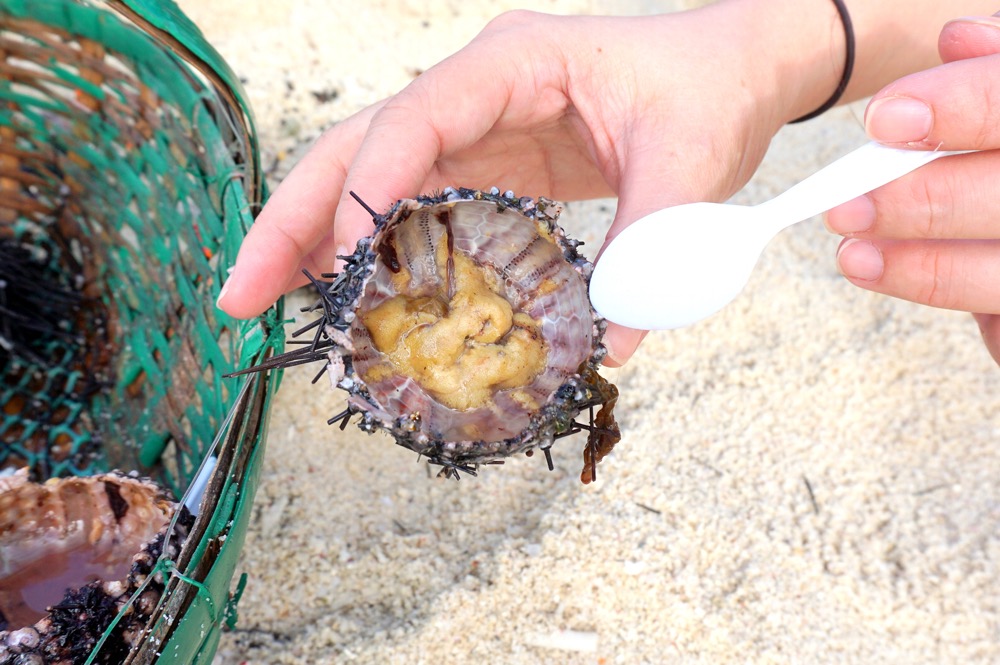
When you are in the White Island look for local sellers with baskets – they sell sea urchin, that you can eat. Watch out at the stings – they are poisonous. But urchin with vinegar is interesting to taste!

  1. Sunken Cemetery

The volcano of Hibok-Hibok erupted in 1871 causing huge damages in the surrounding area. One of the places destroyed by volcano was an old cemetery. The eruption moved the ground and the cemetery was flooded by ocean, that’s why it’s called Sunken Cemetery.

Over 140 years coral reef has grown in the cemetery and it’s a nice spot for snorkeling novadays. You can’t see any tombstones there, as that time they were made out of wood and didn’t survive until our times. However, if you look closely in some places you can see parts of sunken sculptures. Creepy and fascinating!

  1. Whitewater rafting on Cagayan de Oro river

If you are an adventure lover you must try whitewater rafting on Cagayan de Oro River – one of the best places in the Philippines to do rafting! The CDO river is just amazing for that – during 3 hours of rafting you pass about 14 rapids, you can swim in calmer parts of the river and admire beautiful scenery with green bushes and high cliffs.

The river is not difficult as it’s scored on level 3+ so you don’t have to be advanced in rafting to take part. However, as every extreme sport, it may be dangerous so make sure you always listen to your guide!

But Mindanao is not only Cagayan de Oro and Camiguin. It’s Davao, white beaches, canyoning, kayaking, swimming in the waterfalls and the island of Siargao, the paradise for surfers! That’s why Mindanao is called the land of promise. It just promises a lot to every visitor and you cannot be disappointed!

How to get to Mindanao from Manila?

Take a flight from Manila to Laguindingan Internation Airport (CGY) with Cebu Pacific. The transfer to Cagayan de Oro city from the airport takes about 1 hour.

To get to Camiguin you have to take a ferry from Bayan ng Balingoan (around 2 hours from Cagayan de Oro).

Check out more of Hanna’s travel experiences at http://hannatravels.com

Filipino Traditions during All Saints’ Day

Guest blog by: Hanna Sobczuk

I believe that taking part in local holidays is one of the best ways to learn about other cultures. On the 1st November, which is All Saints’ Day in Catholic Church I was in the Philippines, in Manila. As a traveller I couldn’t skip the opportunity and simply had to visit one of the cemeteries, the Manila North Cemetery, to see how Filipinos celebrate this holiday. And after I did I believe it was one of the best experiences I had here in Manila!

All Saints’ Day is a Christian holiday celebrated in honour of all the saints, known and unknown. However, for most people it is a holiday to commemorate all the family members and friends who passed away. As it is a public holiday, there is no school or work this day.

However, in the Philippines this holiday is not only to remember the deceased but also to gather with living members of the family, sometimes even the whole clan.

Many people come to the cemetery even one day before All Saints’ Day. Sometimes they spend the night there. Many people bring the tent and camp by the tombs of their relatives. First they clean graves and afterwards they eat, drink and festive to remember, as Jesus used to feast with his desciples and followers. Some Filipinos believe that the souls of the relatives feast alongside with alive family members. They also pray for the deceased and recite the Rosary.

In the past people used to gamble by the graves, too, mostly by playing cards, but the government banned it few years ago.

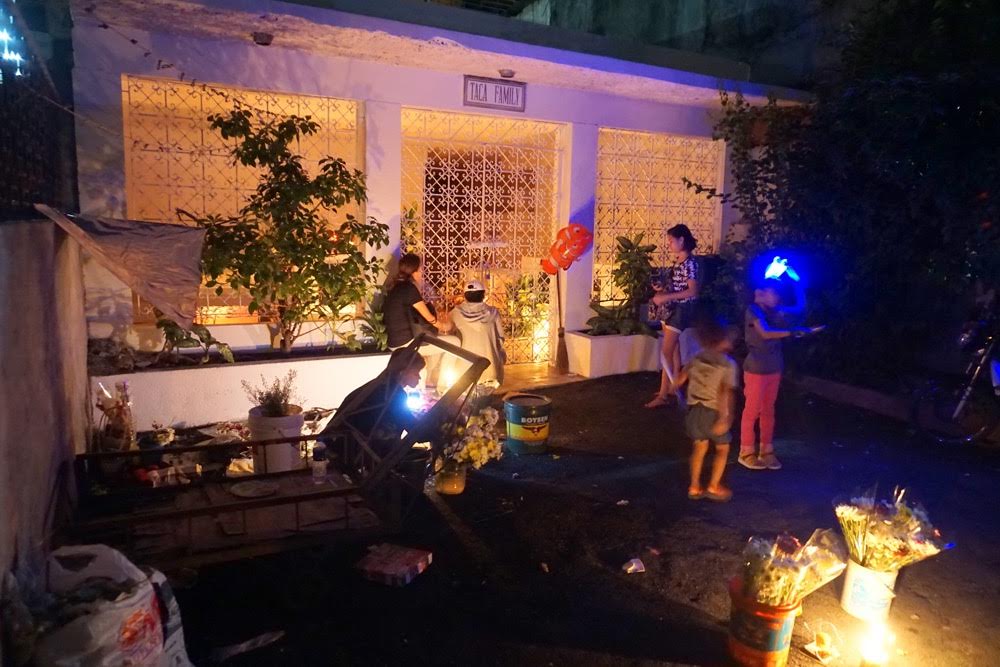
During All Saints’ Day everybody leaves the flowers and lits up candles on the graves – flowers to remember that deceased also used to enjoy the colors of life once and candles as a symbol of love and hope for peacful salvation of those who passed away.

When the candles burn out, children shape the wax into balls for fun.

After coming back home from cemetery families leave burning candles by the front door. It is an old superstition. Filipinos believe that the soul may follow them into the house so by burning the candle they show that they still remember the late members of the family and it’s no need for the soul to enter the house.

How did I feel as a foreigner to observe so different celebration of the holiday that I know from my own culture?

I have to admit that it was a cultural shock for me.

First of all, because I have never been to a cemetery in the Philippines. The graves here are in mausoleums, sometimes really big! Some of them are colorful and beautiful, other are small and modest. There are even mausoleums with second floor on the top because some cemeteries in Manila are already overfilled with tombs,

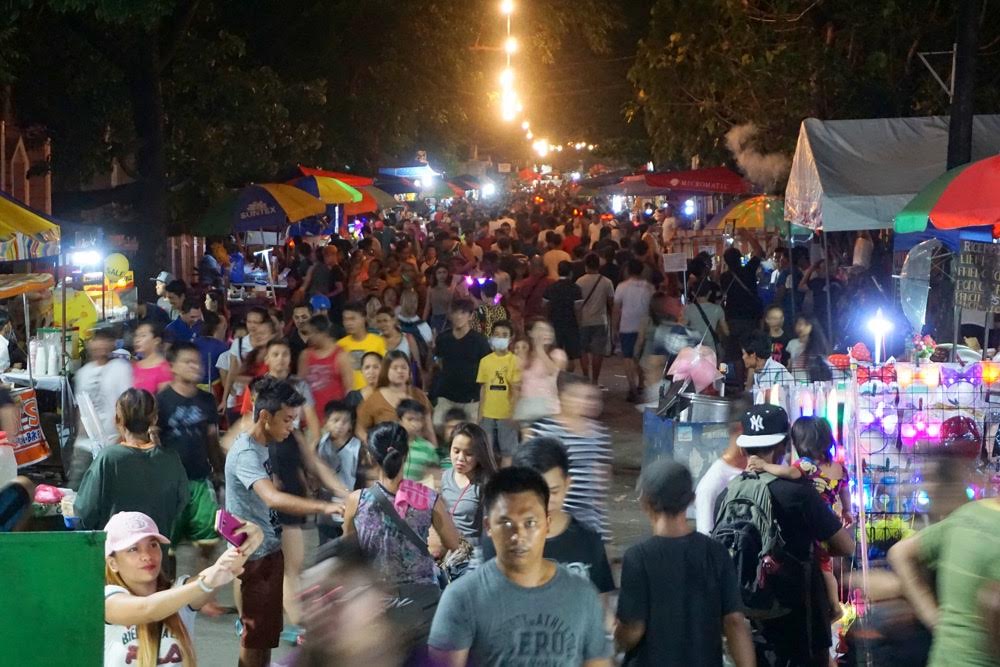
What is more, when I enter the cemetery I am overwhelmed with the number of people and… street vendors who want to sell almost everything. Food, drinks or sweets – I have seen a Dunkin’ Donuts stall! But also toys for children, balloons and of course candles and flowers. Of course there are no rubbish bins so all the garbage is lying everywhere in the ground…

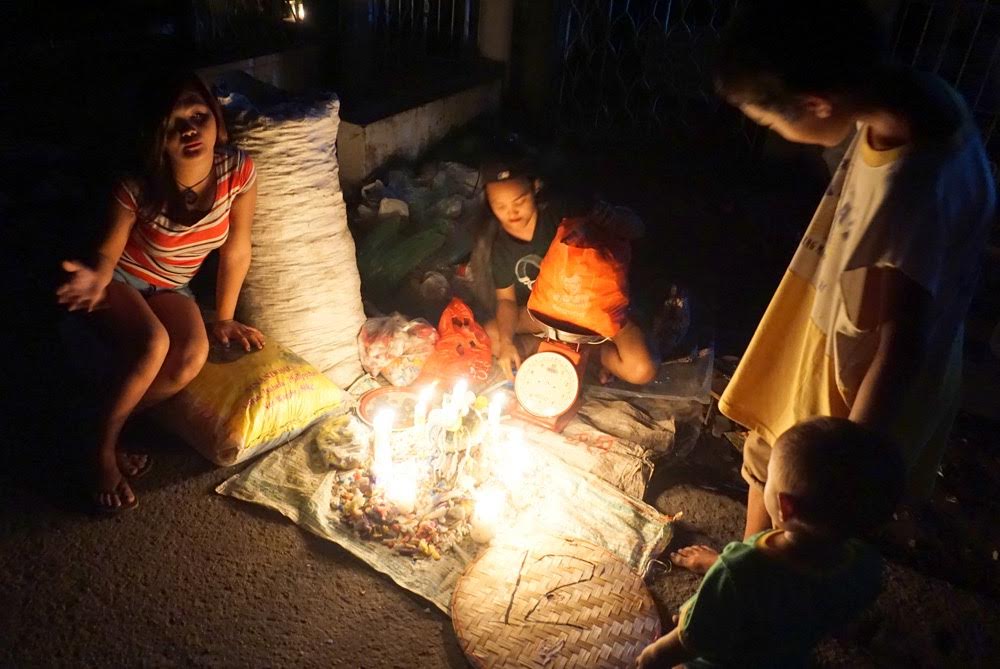
But for me the most interesting in the cemetery are the people. People who visit graves and gather around them but also people who live in the cemetery. Like the children who buy used wax from visitors for as little as 12 pesos per kilo. It’s somehow shocking to witness this kind of poverty and also difficult to understand – why they want to live in the creepy cemetery? But those people say that it is more peaceful to stay among the dead than live on the street.

I’m trying not to be rude and not to point my camera on them. It’s already dark too and shaded alleys between graves are not invating to stroll there so soon I decide to leave the cemetery.

Visiting the burial ground during All Saints’ Day was an interesting experience and a chance to at least try to understand a bit of Filipino culture. What I liked the most is a contrast between Western cultures, in which death and All Saints’ Day is calm and focused on contemplation, and Filipino culture, in which people celebrate this holiday in happier way. I think it is amazing that instead of being sad and miss those who passed away, Filipinos are light and grateful to remember all the good things about their late relatives.

If you ever have a chance to be in the Philippines during All Saints’ Day I highly recommend to visit the cemetery and witness the celebration. Or even visit the cemetery without any special reason or holiday. Z Hostel’s staff is always helpful to give you some tips about it. 🙂

Check out more of Hanna’s travel experiences at http://hannatravels.com

Christmas in the Philippines: Ayala Triangle Lights and Sounds Show

Forget about Makati City being just a concrete jungle, dull and boring. It’s Christmas time! And this central business district might just be the most shining and shimmering in the entire Manila. Ayala Triangle Gardens, right at the heart of Makati, is once again showcasing its highly anticipated Christmas Lights and Sound show!

Photo by Aliana Juson

It is seriously one of this season’s highlights that a lot of people look forward to every year during Christmas (which by the way starts as early as September in the Philippines). It’s a visual and auditory feast: Bright and blinking lights, LED meteors, and lasers gracefully dance to the tunes of Christmas carols and all-time popular songs in the middle of the busy Makati.

And this year’s “Festival of Lights” is a showstopper as it features 3 medleys: a rapid and vibrant one inspired by Rio de Janeiro, a second part with a musical score from enchanting and magica period films, and lastly, a dreamy concluding act with millions of blinking lights moving along our beloved Disney songs.

The Festival of Lights opened November 15 and lasts until January 8, 2017! You’ve definitely got time to bask in this holiday spectacle! The show starts every 6PM and runs on 30-minute intervals until 10 in the evening. In between, stroll around the gardens and feast on food in several restaurants inside and around the park.

Photo by Aliana Juson

The show is for free and hey, the gardens are just a good 15-20 walk from Z Hostel! So take your GoPro or whatever camera you use, head to Ayala Triangle, and give that travel video a colorful and dazzling spin!

Top Things To Do in Palawan

Guest blog by: Hanna Sobczuk

Palawan, one of the beautiful islands in the tropical paradise in Philippines, is situated in the South of Manila. It is also called as the world’s natural heritage and reserve place filled with rainforests, cliffs, caves, beaches, and mountains. Palawan is the paradise for divers giving world’s best waters for swimming, diving, and island hopping. A summary of the list of activities and attractions to do and see in Palawan is here to guide you.

Hiking

A bird’s eye view of Bacuit Bay is visible from the Taraw Cliff in El Nido. The effort of 2.5 hours going up s worth it. Cleopatra’s Needle is one of the challenging hiking spots for climbers requiring 3 to 4 days to reach the top. There are numerous enchanting river crossings along the way.

Cruising in the Underground River

The Underground River National Park is one of the top attractions of Palawan enlisted as UNESCO Site and was chosen as one of New7Wonders of Nature. The river goes through the large cave under the mountain range. The National Park is a home for many animal species, like birds and bats. The whole ecosystem here is considered as one of the most important forests in Asia. No surprise then why it is so popular among tourists!

Island hopping

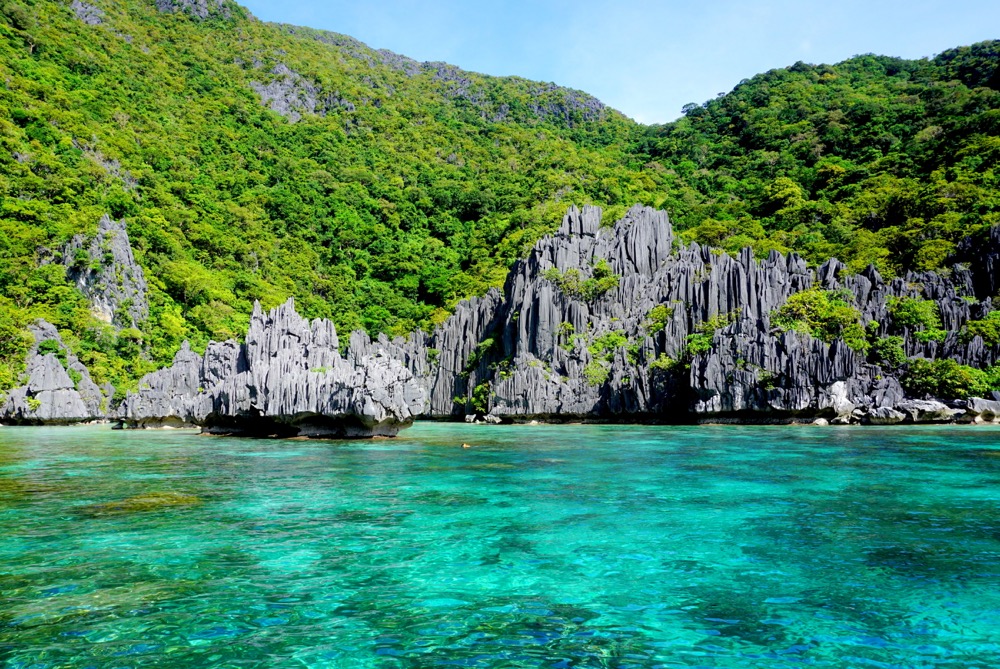
Some rare species of marine animals live in the small islands of El Nido and Coron. A tour guide will take you to islands where you can see a variety of fish and other animals living in the coral reefs. Snorkel and try to discover the underwater paradise. You will also see amazing turquoise lagoons of El Nido and Coron, the island north of Palawan. Beside that you will also be able to see waterfalls, explore caves, and climb the cliffs. Don’t forget about camping on remote island!

Scuba diving

If you prefer more adventurous way of spending time and you are a fan of exploring underwater world, you should stay longer in El Nido and Coron for scuba diving. El Nido offers huge variety of diving spots with underwater natural paradise full of coral reefs, while around Coron you can find ship wrecks from World War II.

Amusement parks and wildlife

Puerto Princesa City is wrapped up with amusement parks, cathedrals, and food courts. The amusement parks have many endangered wildlife species that make it worth visiting. Butterfly Garden and Wildlife Rescue and Conservation center in Puerto Princesa has crocodiles having the biggest crocodile. Baker’s Hill is just a few miles away from the town to get delicious pastries at such a low price. Stroll along the Bay walk of Puerto Princesa to have an amazing view of sunset.

Paraw Sailing

The traditional sailboat of Filipino is called Paraw. It is one of the best ways to explore the beaches of Palawan. Tourists find it relaxing and free their minds from stress with sailing along with enjoying healthy and yummy seafood.

Dolphin watching

The site where the dolphins are spotted can be visited with boats. Tourists enjoy the view of hundreds of dolphins swimming and jumping alongside their boats. They swim so close to the boats that tourists experience breathtaking view of wonderful creations of sea.

Bird watching

It is fascinating view to watch birds, their nests and chirping of more than 50 species. The Emerald Playa Beach and Nature Park provide binoculars to visitors to enjoy watching birds.

Fishing

Palawan has some great seafood. Almost 60% of the fish comes from Palawan for different markets across the country. Freshly cooked or grilled fish for lunch or dinner can be obtained at any local restaurant. Fishing boat can be arranged at Puerto Princesa to grill your catch right away.

Hopefully you must have gotten the answer to what to do in Palawan. When you are planning for island hopping or visiting other attractions in Palawan, you can always head towards Z Hostel in Makati, Manila where friendly staff is ready to help you in organizing your trip.

Check out more of Hanna’s travel experiences at http://hannatravels.com

Bucky’s in Poblacion, Makati: Comfort food gone indulgent

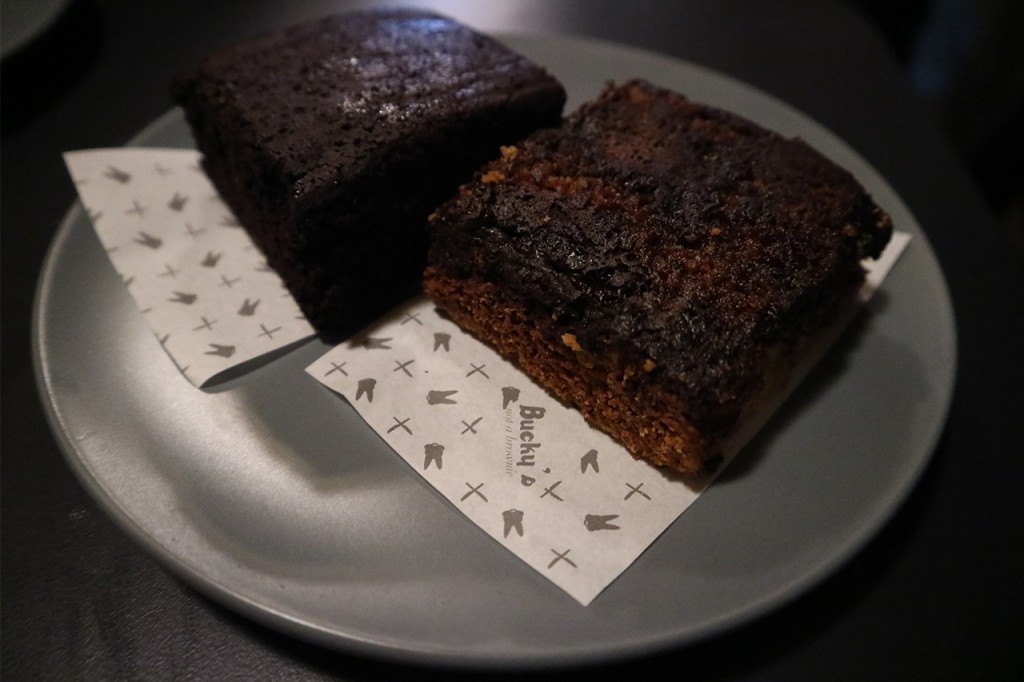
You won’t miss it, especially when the waiters leave the table with your orders. “Not a brownie” boldly says the back of their shirts. “So what the fudge is a bucky?”

A cake? Nope. A cookie! Nope. Oh a brownie-cookie = bucky! Nice try. Well, think of it as a flourless chocolate cake married with fudge brownie. But whatever its real anatomy is, this heavenly slice of goodness is definitely worth a bite at Bucky’s in Poblacion, Makati.

You might have actually tasted some buckies at Toby’s Estate coffee shops or in Rockwell’s dessert bazaar but it has finally found a home in their first ever “shack”, which rightfully fits in the same space housing new gastronomic hotspots such as Wild Poppy, Alamat Pub and Deli, and Smokeyard Barbecue. Just a few steps away from Z Hostel, Bucky’s is also a perfect prelude for a long night of tipples at the popular hostel roofdeck.

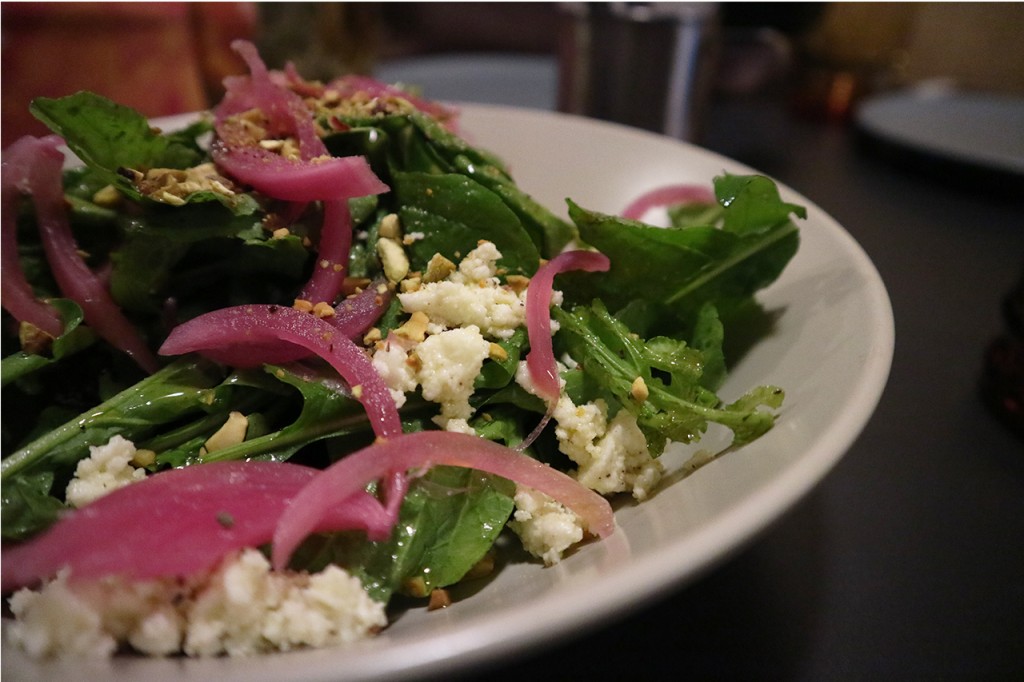
Before we dive deep into Bucky’s sea of sweets, let’s take a first bite into their savory treats: comfort food taken to a new level. You might start off with something healthy to make way for the, sorry for the lack of a better term, sinful desserts after. Get the Beet Salad, beets in a bed of arugula garnished with pickled onions and homemade ricotta cheese.

Waste no time and order Fried Chicken with Mashed Potatoes. No wonder it’s a bestseller, double-fried tender juicy boneless thighs with extra crispy skin and a really tasty gravy on the side. The mashed potatoes is a win-win, one of the best you can find around Manila.

Craving for more? Fill up with their sumptuous Baked Ziti. Make sure to amp it up and add on Ragu (why is it even an option?) and you are in pasta paradise!

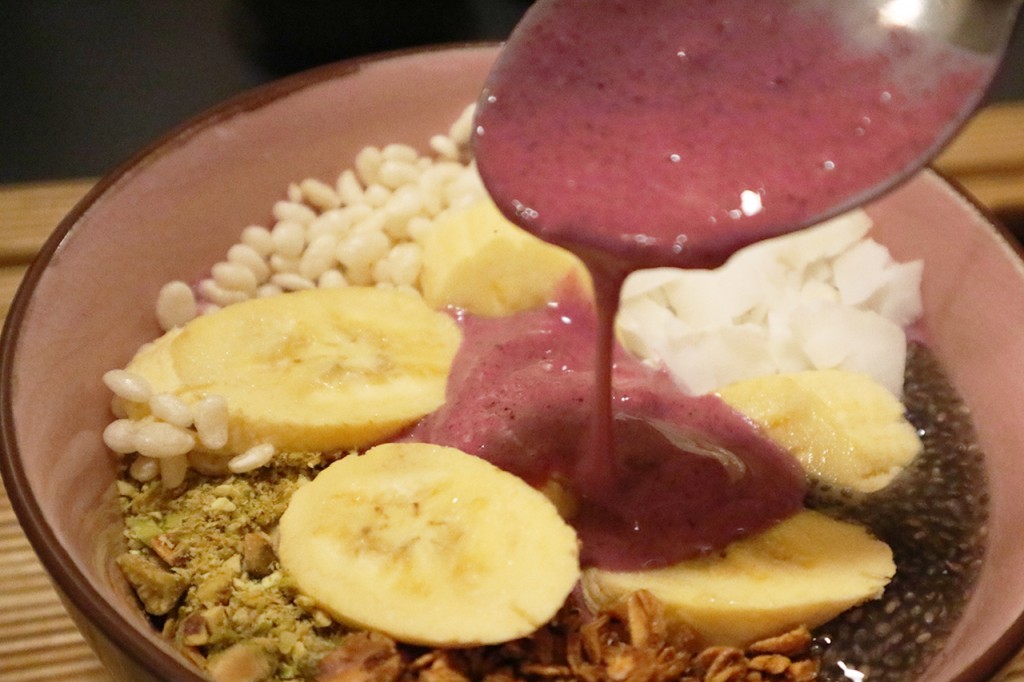
For those who want to fill up but resolved to “eating healthy” this new year, their Badi Bowl is perfect for you. It is a huge serving of homemade fruity yogurt parfait topped with fresh banana slices, chia seeds, granola, grains, and coconut shavings. Who said healthy looks and tastes yucky!

Now for the main acts! It’s time to indulge in their heavenly Bucky bars which come in different variants.

If the sweet tooth in you is looking for more, you won’t regret having the Original Parfait. It is wickedly good and sweet: a big cup of homemade creamy softserve ice cream (made from carabao’s milk!) with salted caramel syrup, chocolate chips, marshmallows, and brown butter polvoron on a bed of original Bucky chunks. If it doesn’t take you to sugar paradise, we don’t know what will.

Once you’ve tried it here, you’ll wish the place was bigger. Because you’d definitely want to take all your buddies for a comfort food and indulgent dessert feast here at Bucky’s.

Bucky’s

5666 Don Pedro Street, Poblacion, Makati City

Commuting: More Fun in the Philippines

Every traveler must have already stumbled upon the saying that “It’s not about the destination, it’s the journey that matters.” True enough, the temples, beaches, mountains, sunsets, and hotels take our breath away but it’s the people we meet, the highs and lows, getting lost, the local food, and everything in between that are the most memorable. But if we take this quite literally, getting around a country or the city is as exciting as well. In the Philippines, commuting through towns, in cities, and across seas is an adventure in itself. Ready for the ride?

The Philippines is an archipelagic country consisting of 7,107 islands. And since it is not connected by land with any other country in Southeast Asia, it is usually not included in the backpacking trail. One must fly to the capital Manila or key cities like Cebu, Kalibo, Iloilo, and Davao to finally enter the country. You can choose among the flag carrier Philippine Airlines, the budget airline Cebu Pacific Air, and the low-cost carrier Air Asia for flights around but Cebu Pacific is known for its low fares and seat sales so you better keep an eye out!

There are big ferries crossing through islands and different big destinations around the entire country. The fares are most likely cheaper than airplanes but time is the enemy. What could be a 1-hour flight to an island becomes a 10 to 12-hour cruising in the vast ocean. But if you’re not in the rush and would want to take it slowly but surely, ferry rides are enjoyable and scenic.

The Philippines has got some of the most beautiful islands in the world, some even voted the best for many years now like Palawan, Boracay, and Cebu. Island hopping in these destinations is best done by riding the banca, a double-outrigger canoe. Prepare to get a little dizzy as big waves can rock these boats but these rides are definitely a thrill. Otherwise, sit on the edge or on the sides, hang your feet enough to touch the water, and chill the day away.

You’ve reached the skies and rode the waves, now it’s time to hit the road. Without a doubt, the most popular among all vehicles and mode of public transportation in the Philippines would have to be the jeepneys. They are kings of the road. They are sometimes metallic but mostly colorful. They are loud, furious, and jampacked. Jeepneys are actually U.S. Military Jeeps left over from the World War 2. In major cities, jeepneys ply several routes, taking people from narrow residential streets to the major landmarks and big roads.

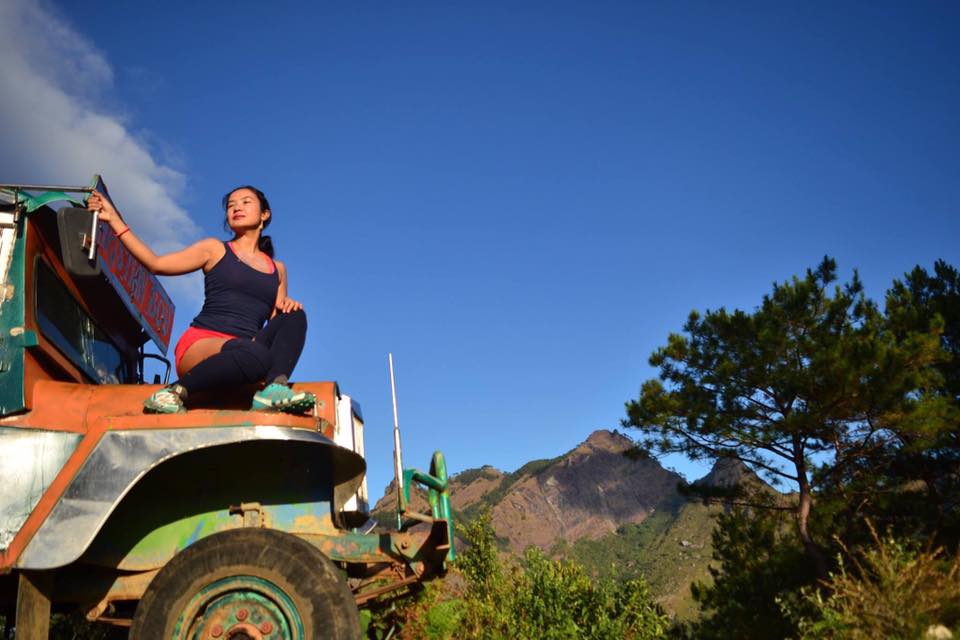
But in the province, especially in the north, jeepneys are a great way to not just get to a destination but also see a better view of the place. It has become popular for foreigners and local tourists alike to ride on top of the jeepney, or what is called toploading, with the intention of taking the scenic views in their full glory.

Toploading is definitely frightening but the views are nothing short of breathtaking. Tip: Say “Para po” when you have reached your landmark and need to get down. Don’t forget to pass your coins/payment to the other passengers all the way to the driver!

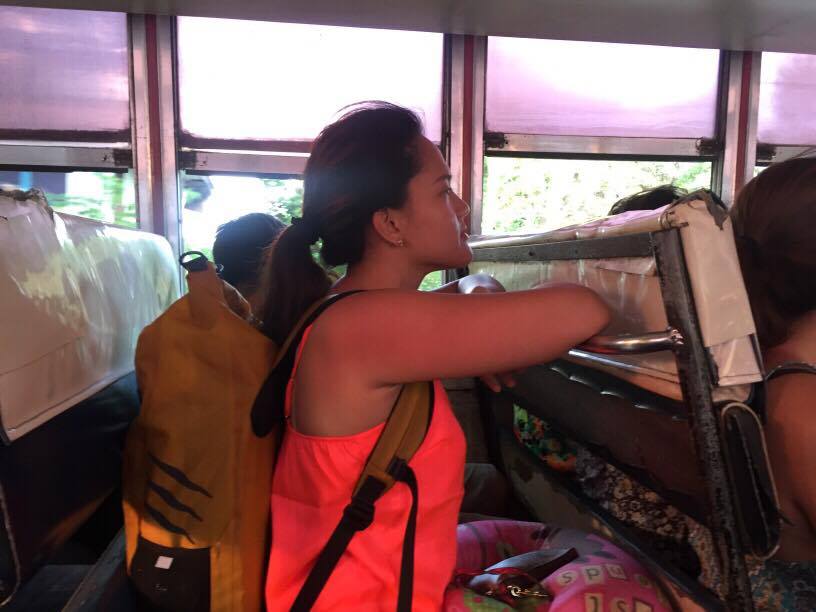
Longer trips from city to city or even to other regions can be done by riding the bus. In Manila, they also ply major roads and landmarks. In the provinces, they take passengers from one town to another especially when they have a lot of things to bring like sacks of rice, baskets of vegetables and goods, and huge luggage.

Try riding the deluxe ones (no aircondition) and bask in the cool breeze of fresh provincial air.

Other ways of commuting around cities and provinces, especially in tighter alleys, would be the tricycles. They are the Philippines’ version of Thailand’s famous tuktuk.

They are fast and the ride is breezy at the least. For a more enjoyable and thrilling experience, make sure to take the seat right behind the driver and hold on for your life really good!

Probably the cheapest way to commute, although only covering short distances, would be the trisikad or a cycle rickshaw. It could take awhile, so walking to your destination might end to be a better choice!

Most often than not, the best moments in a new place come in the challenge experienced through commuting by local transportation. Cabs and Uber are definitely comfortable but taking the transportation that most locals do will give a much more authentic experience. So when you’re in the Philippines, don’t miss out on trying out to commute around, because it is definitely done with much more fun here!

P.S. If you want to take it as authentic as you can, these four-legged friends in the fields can give a truly unique experience!

*Special thanks to all those who contributed their fun commuting photos for this article!

Siquijor: A Magical Island of Mystery and Beauty

We’ve all read about the “Top Places To Go Before You Die” or “Must-Go Beaches in the Philippines” but there are some destinations which fall into the blacklist instead of the bucketlist. Siquijor Island used to be one of them. Known for mystical stories of sorcery, black magic, and witchcraft, this tiny island in the Visayas region was anything but inviting. But that was before. Those who have dared to pay a visit despite these claims found beauty in mystery: Siquijor Island boasts of white sand beaches, turquoise waters, natural springs, waterfalls, and historic sites. And so the magic began.

While it is not as popular as some of Philippines’ islands like Boracay, Palawan, or Cebu, Siquijor has become a respite for travelers seeking serenity and peace, away from the large crowds and banana boats. The town is still sleepy, the life speaks of simplicity. Palm-fringed roads are almost empty. But as you start going around the island, which you can do in just one day and best on a motorbike, there is so much beauty to see.

In the town of Maria, two popular beaches glisten with its powdery white sand and waters clear as glass. One of which is Salagdoong Beach which is also becoming a favorite cliff jumping spot, by which the diving platform providing a breathtaking veiw of Maria Bay.

The other one is Kagusuan Beach, the perfect spot to just laze the day away. It is a bit difficult to find so there are not much people and the emerald seas are all yours, all day long.

Driving further, one reaches the town of Lazi, home of the famous Cambugahay Falls. The three-tiered cascading waters fall into turquoise lagoons, making a great backdrop for those selfies and Snaps. To give your experience a little rush, channel your inner Tarzan and ride the rope swing tied to a tree and drop yourself straight into the cold waters.

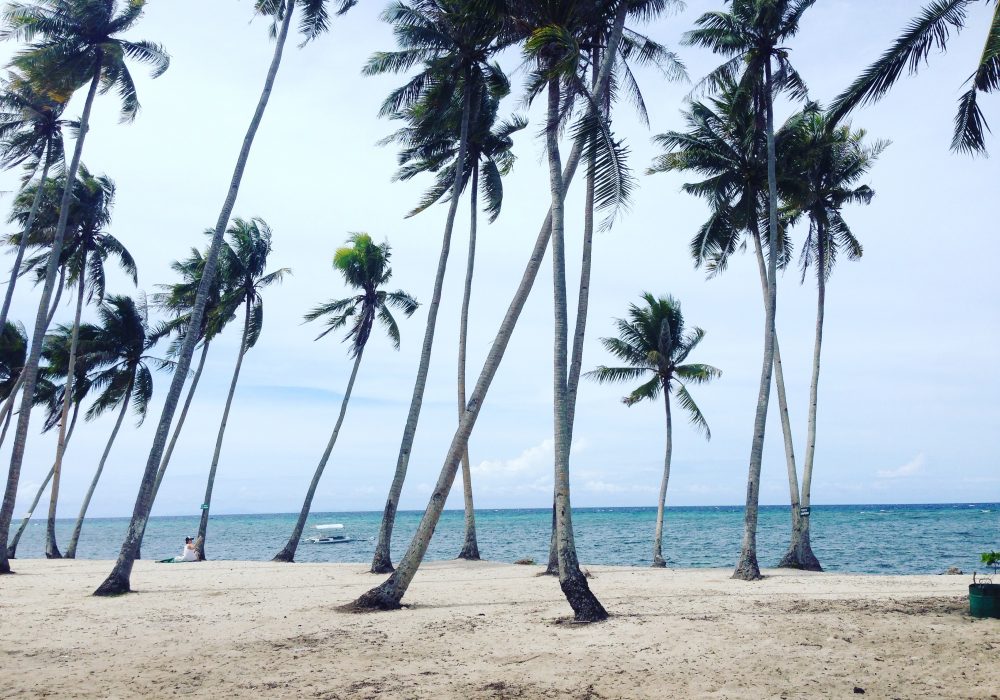
The town of San Juan probably has the longest stretch of white sand beach in the entire island. Dotted with an endless line of coconut trees, Paliton Beach is a sight to behold.

The surrounding waters are crystal-clear with some parts having lush seagrass and further deep down teeming with abundant marine life as Paliton is a declared marine sanctuary. Paliton could easily be one of the best and unspoilt beach strands the Philippines has to offer.

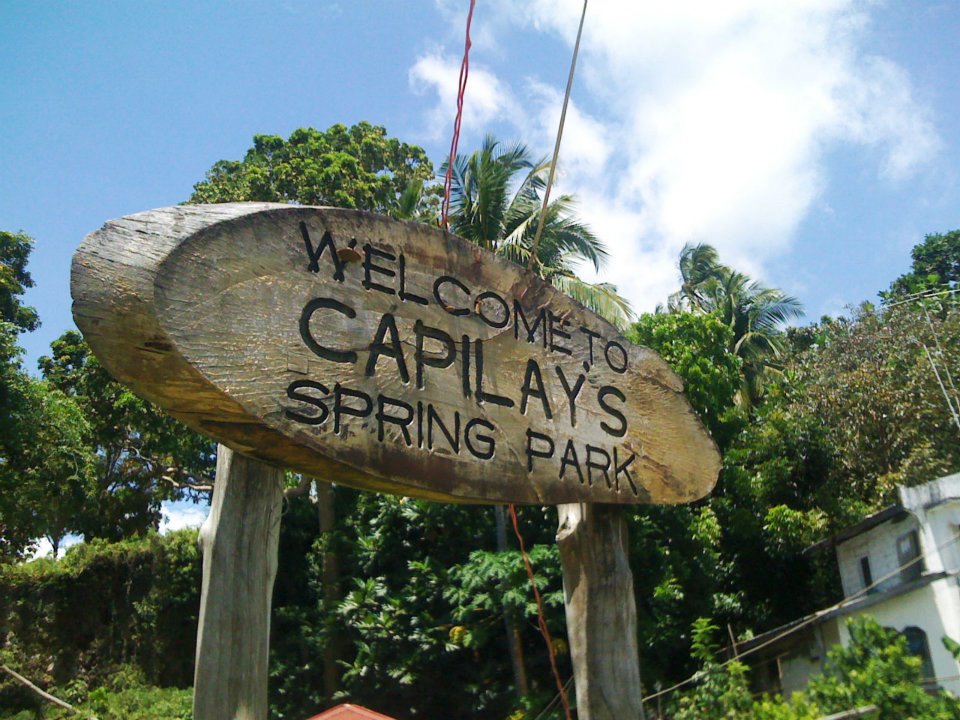
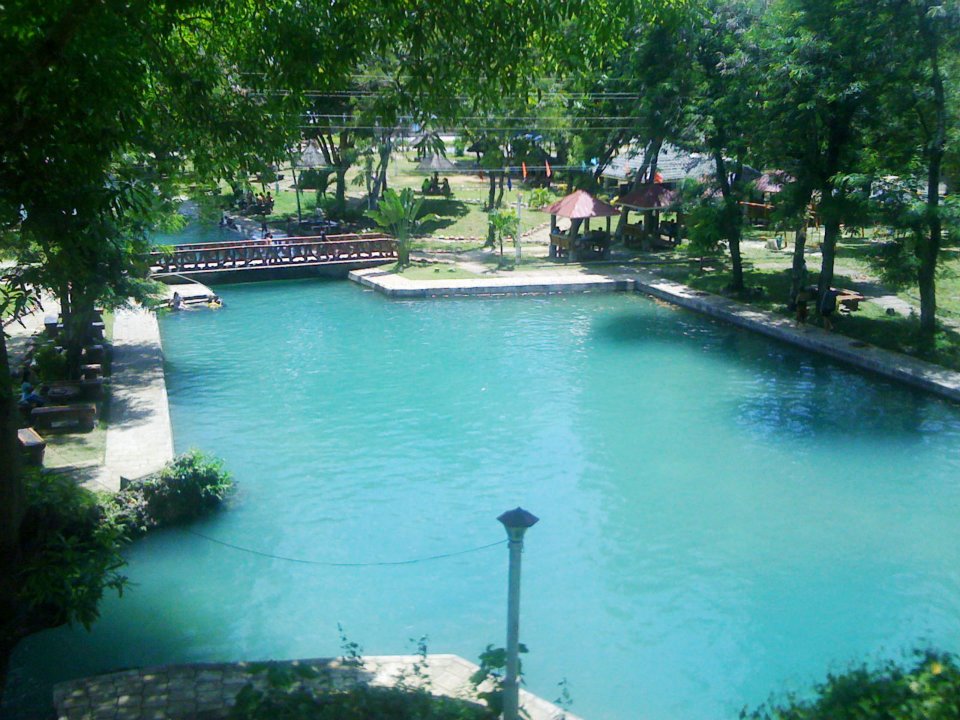
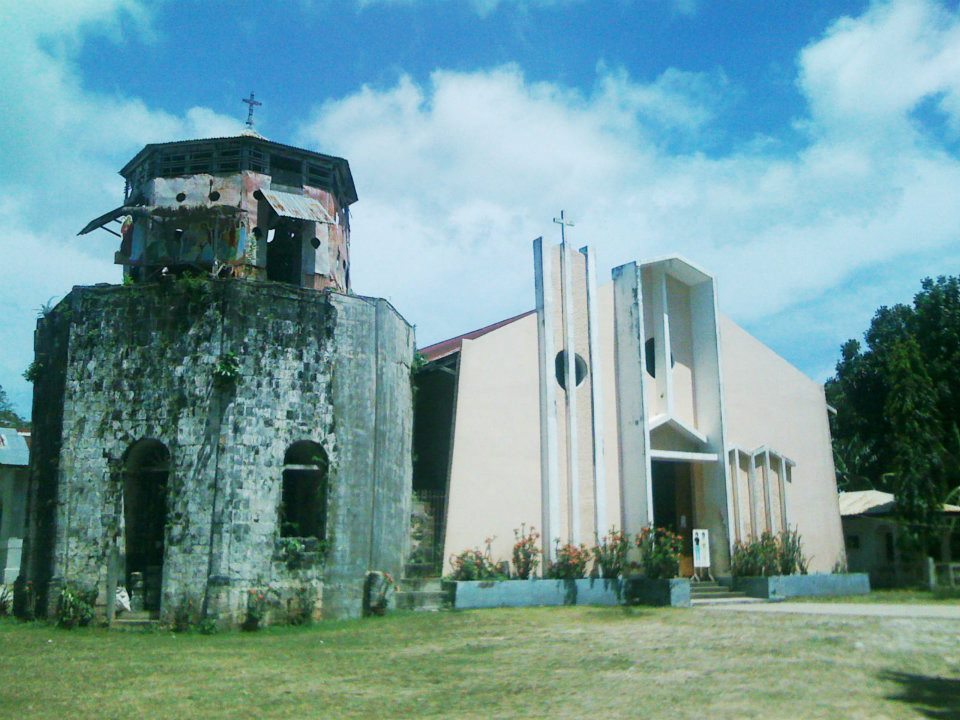
Time stops in Siquijor. What seems to be like a whole day sunbathing on the beach are actually just a few hours, leaving you more time to explore. Walking distance from the beach in San Juan is Capilay Springs, a cold spring park where locals like to spend and kill time, singing the lazy afternoon away with their guitars and beers. The springs are located on the foot of a hill where a rock staircase leads you to a small but beautiful, old stone church.

While there are still rumors of black magic going around the island and love potions selling like hotcakes as souvenirs, one cannot simply turn away from the beauty of Siquijor Island. Add in the sheer kindness and generosity of the locals (seriously, one of the kindest folks you’ll ever meet), this place is slowly but surely becoming a bucketlist item. The magic has only just begun.

Getting There

The only way to get to Siquijor Island is by ferry and the main jumpoff point is Dumaguete City. Fly from Manila to Dumaguete via Philippine Airlines or Cebu Pacific and head to Dumaguete Port where ferries ply to Siquijor everyday. Highly recommended is Ocean Jet. There are also ferries going to Siquijor from Cebu City port.

Getting Around

The best way to see the sights in scenes in Siquijor is to rent a scooter/motorbike. The roads are almost empty and safe for going around. Otherwise, you can take an island tour offered by tricycle and multicab drivers once you arrive at the port. For scooter rentals and tours, contact Jeanel – 09263831853.

Alamat Filipino Pub: A Tasty Story of Filipino Food and Culture

Alamat is a Filipino word that could be translated different ways: legend, folklore, or tradition. But it all boils down to one main thing: story. Tucked in the heart of Poblacion in Makati City is a place where the story of the Filipino culture starts at the tip of your taste buds and comes to life in the palates: welcome to Alamat Filipino Pub and Deli.

A brainchild of acclaimed Chef Niño Laus and wife Cassie, Alamat is one of the few, if not the only restaurant in Poblacion that features authentic Filipino food. “The location came before the concept,” shares Cassie. “Poblacion is becoming a hub for travelers and foreigners because of the hostels around and we thought it would be the perfect place for us to introduce our culture through authentic Filipino food.” But even some locals are not that familiar with food coming from different regions of the country and Alamat serves this purpose well. The crowd is a good mix of both local and foreign.

From the star-shaped lights made out of Capiz shells that glisten in a lattice above your head, detailed cement blocks as walls, and murals of folklore creatures, Alamat transports you to anywhere but the bustling metro. For locals who originally came from the provinces or have relatives outside the Manila, it’s like visiting your grandmother’s ancestral house. For the foreigners, it gives you a glimpse of what to expect in the Philippines once you step out of the capital and head to the different islands.

Let’s get down to business. What better way to start the night than a glass of cold beer. Alamat has a wide selection of craft beers locally sourced around the Philippines, from the northern regions of Baguio down to the islands of Cebu. Summer Passion and Message in a Bottle (strong at 7.6%) are a must-try.

A big bowl of chips to start comes to the table. Instead of thin potato slices, Indi Chips is made out of homegrown rootcrops like taro, sweet potato, cassava, and purple yam and comes with a hearty dip made out of micro-shrimps that can only be found in a lake in Laguna. And that’s just the start!

Then there’s Bacon Bagnet, a basket of sweeter-than-usual bacon inspired by the deep-fried crispy pork belly dish from Ilocos.

Skewers and sausages take centerstage in Alamat. Their take on Sinuglaw is a grilled pork skewer with tangy tuna ceviche. Instead of using normal beef, Alamat’s Bistek is grilled Wagyu beef skewer on a bed of laing, a Bicolano favorite made out of taro leaves and coconut milk.

Then there’s the artisanal sausage made out of Chicken Inasal, Bacolod’s pride. Aside from this, their sausages come in Sisig, Dinuguan, and Adobo.

And the main star of the night would have to be their version of Papaitan, a 200-year old dish from Ilocos. It’s a hot, bitter stew dish made out of beef innards. Originally bittered by using the gallbladder, Alamat instead grates a bar of Davao on to the soup right before your very eyes. The Filipino fiesta spirit truly comes alive.

For now, World Music and indigenous Filipino beats from the likes of Pinikpikan and Bayang Barrios accompany the diners. But on the works are live performances on special nights. As the food scene in Manila goes global in flavors and style, it is admirable that some restaurateurs still want to showcase authentic Filipino cuisine. Alamat is a story of the Philippines — one that needs to be tasted, told, and shared.

Alamat Filipino Pub is located at 2F, Mekanor Building, 5666 Don Pedro Street (next to Z Hostel), Poblacion Makati.

All Photos by Claudia Aotriz

Taal Volcano: A Day Trip from Manila

Guest blog by: Hanna Sobczuk

Most people who come to Manila stay here one or two days and head off to other islands. However, if you decide to explore some surrounding area of the Philippines capital city, we recommend you to visit Tagaytay and Taal volcano, the smallest active volcano in the world.

Some people laugh and call Taal an inception, just like the movie with DiCaprio. It is because of the lake around the volcano as well as inside the crater. I mean, if you look at the map you’ll see the Pacific Ocean with Luzon Island, then a Taal lake in Luzon, a Taal Island in the Taal Lake and a lake in the crater. Ocean – island – lake – island – lake. Inception, right?

What is more, Taal is the smallest still active volcano in the world as it’s highest elevation is only 311 m (1,020 ft). The last eruption took place in 1977 but the last biggest one was over a hundred years ago, in 1911. Citizens in Manila, which is about 60 km away from Taal, felt the seismic activity of the volcano that caused earthquakes and heard the eruption, which first they mistook by a loud thunder. The ashes of that eruption fell down in the area of 2000 km in diameter around Taal.

Even if the volcano has been quiet since 1977, it is still active and has shown signs of unrest since 1991, like for instance seismic activity and formation of mud pots and mud geysers. However, the trip to Taal volcano is safe and scientists watch over the volcano’s activity.

How they can say that it’s dangerous to visit the volcano as it may erupt? For example when the frequency of volcanic quakes increase and temperature and level of the water in the crater lakes changes. As an addition you can smell strong sulfuric odor (similar to rotter eggs) and see killed fish in the water and drying up vegetations. There are more signals but so far it is still safe to visit the Taal volcano. 😉

Despite it is officially forbidden to live in the island, some local families decided to settle there earning a living by fishing, farming crops and serving the tourists offering horse ride up to the crater.

Of course, riding a horse is not the only option. You can still walk but make sure you take food and planty of water with you, something to cover from sun (or rainproof!) and wear comfortable close shoes. The walk should take you approx. 45 minutes but in a nice sunny day it can be really exhausting as there is almost no shade on the way, the sun burns and the heat of the volcano makes it even worse. In rainy day it’s not better because the road up to the volcano is covered with slippery mud… But any day you take your trip – be prepared even if the hike is not that long.

On the way up you’ll see exposed sulfur. It’s easy to see it as it is yellow and steams. Watch out, it’s hot! Around the crater you can see more steaming places and even one where you can see magma.

Some people even try to swim in the crater lake, despite the scientists don’t recommend that. If you decide to do it, be really careful as the toxic gases may be very dangerous especially further from the shore!
A daytrip to Tagaytay and Taal volcano is a good idea if you want to explore surroundings of Manila and / or you are already tired of the city. It’s great option to spend some time with friends or people met in Z Hostel! 😉
How to get to Tagaytay from Z Hostel? Depends if you are alone or with friends, there are 2 options: – using public transport from Manila – just make sure you leave early to avoid the traffic! – share a taxi. Grab taxi one way to Tagaytay costs 1000 pesos but if you want the driver to wait for you whole day and take a highway you should count more. The day price depends on what you negotiate with the driver. It’s good to have some friends with you to share the costs!

To get to the Taal volcano you need to go to Tagaytay and rent a boat that will take you to the island. It can be a bit expensive so you should haggle. Going with friends can help you share and save some costs!

Check out more of Hanna’s travel experiences at http://hannatravels.com

|| book now ||