Blog | Z Hostel - Part 6
(632) 8856 0851 | (63) 917 889 8531
Share
Z Hostel
Category: Blog
Scroll

Commuting: More Fun in the Philippines

Every traveler must have already stumbled upon the saying that “It’s not about the destination, it’s the journey that matters.” True enough, the temples, beaches, mountains, sunsets, and hotels take our breath away but it’s the people we meet, the highs and lows, getting lost, the local food, and everything in between that are the most memorable. But if we take this quite literally, getting around a country or the city is as exciting as well. In the Philippines, commuting through towns, in cities, and across seas is an adventure in itself. Ready for the ride?

The Philippines is an archipelagic country consisting of 7,107 islands. And since it is not connected by land with any other country in Southeast Asia, it is usually not included in the backpacking trail. One must fly to the capital Manila or key cities like Cebu, Kalibo, Iloilo, and Davao to finally enter the country. You can choose among the flag carrier Philippine Airlines, the budget airline Cebu Pacific Air, and the low-cost carrier Air Asia for flights around but Cebu Pacific is known for its low fares and seat sales so you better keep an eye out!

There are big ferries crossing through islands and different big destinations around the entire country. The fares are most likely cheaper than airplanes but time is the enemy. What could be a 1-hour flight to an island becomes a 10 to 12-hour cruising in the vast ocean. But if you’re not in the rush and would want to take it slowly but surely, ferry rides are enjoyable and scenic.

The Philippines has got some of the most beautiful islands in the world, some even voted the best for many years now like Palawan, Boracay, and Cebu. Island hopping in these destinations is best done by riding the banca, a double-outrigger canoe. Prepare to get a little dizzy as big waves can rock these boats but these rides are definitely a thrill. Otherwise, sit on the edge or on the sides, hang your feet enough to touch the water, and chill the day away.

You’ve reached the skies and rode the waves, now it’s time to hit the road. Without a doubt, the most popular among all vehicles and mode of public transportation in the Philippines would have to be the jeepneys. They are kings of the road. They are sometimes metallic but mostly colorful. They are loud, furious, and jampacked. Jeepneys are actually U.S. Military Jeeps left over from the World War 2. In major cities, jeepneys ply several routes, taking people from narrow residential streets to the major landmarks and big roads.

But in the province, especially in the north, jeepneys are a great way to not just get to a destination but also see a better view of the place. It has become popular for foreigners and local tourists alike to ride on top of the jeepney, or what is called toploading, with the intention of taking the scenic views in their full glory.

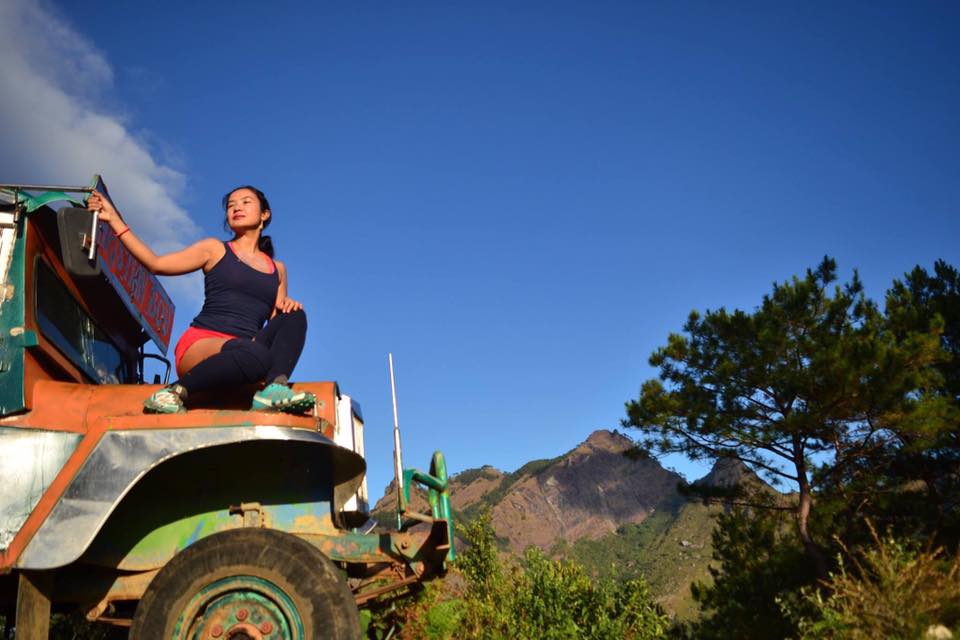
Toploading is definitely frightening but the views are nothing short of breathtaking. Tip: Say “Para po” when you have reached your landmark and need to get down. Don’t forget to pass your coins/payment to the other passengers all the way to the driver!

Longer trips from city to city or even to other regions can be done by riding the bus. In Manila, they also ply major roads and landmarks. In the provinces, they take passengers from one town to another especially when they have a lot of things to bring like sacks of rice, baskets of vegetables and goods, and huge luggage.
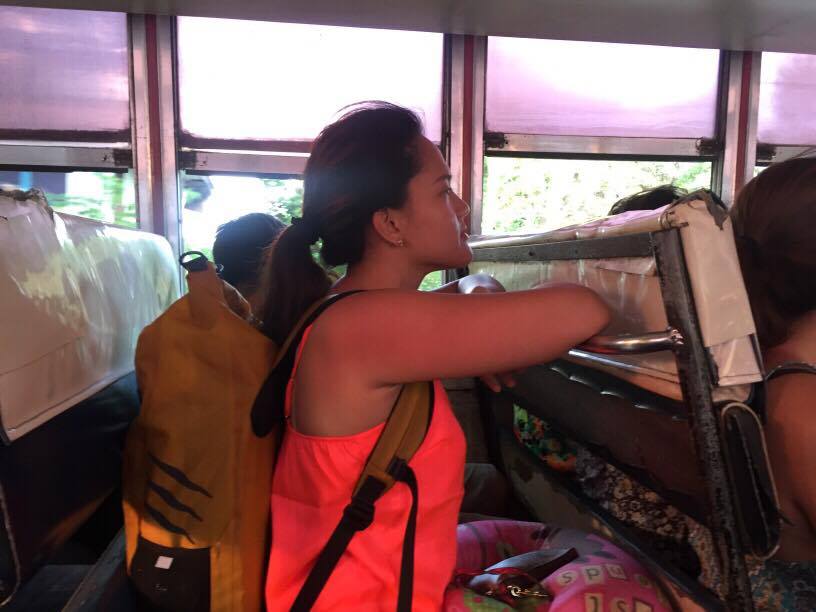
Try riding the deluxe ones (no aircondition) and bask in the cool breeze of fresh provincial air.

Other ways of commuting around cities and provinces, especially in tighter alleys, would be the tricycles. They are the Philippines’ version of Thailand’s famous tuktuk.

They are fast and the ride is breezy at the least. For a more enjoyable and thrilling experience, make sure to take the seat right behind the driver and hold on for your life really good!

Probably the cheapest way to commute, although only covering short distances, would be the trisikad or a cycle rickshaw. It could take awhile, so walking to your destination might end to be a better choice!

Most often than not, the best moments in a new place come in the challenge experienced through commuting by local transportation. Cabs and Uber are definitely comfortable but taking the transportation that most locals do will give a much more authentic experience. So when you’re in the Philippines, don’t miss out on trying out to commute around, because it is definitely done with much more fun here!

P.S. If you want to take it as authentic as you can, these four-legged friends in the fields can give a truly unique experience!

*Special thanks to all those who contributed their fun commuting photos for this article!
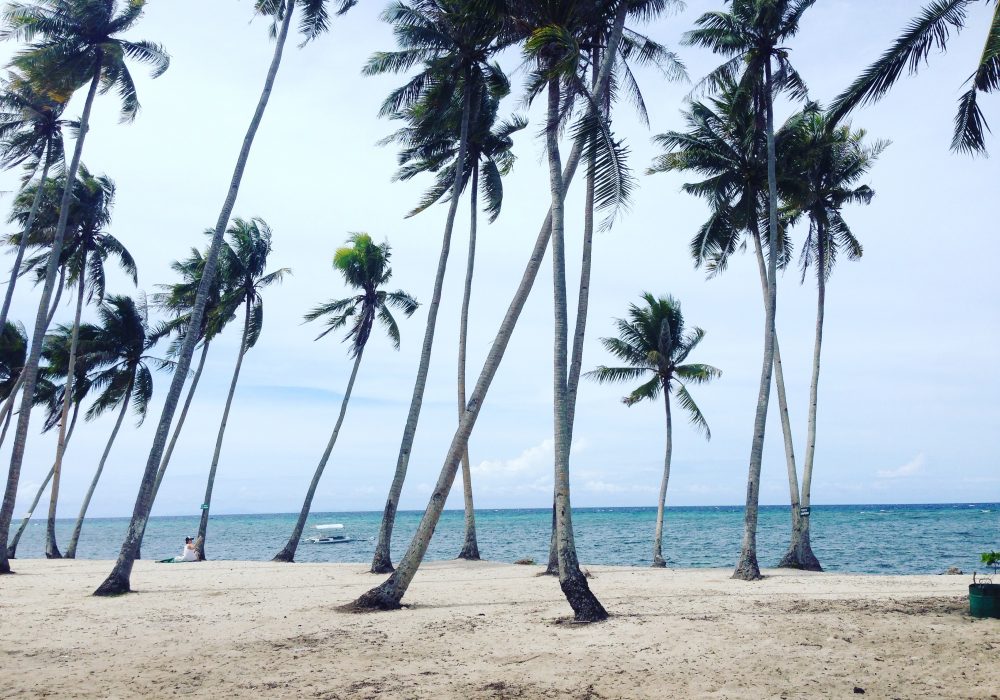
Siquijor: A Magical Island of Mystery and Beauty

We’ve all read about the “Top Places To Go Before You Die” or “Must-Go Beaches in the Philippines” but there are some destinations which fall into the blacklist instead of the bucketlist. Siquijor Island used to be one of them. Known for mystical stories of sorcery, black magic, and witchcraft, this tiny island in the Visayas region was anything but inviting. But that was before. Those who have dared to pay a visit despite these claims found beauty in mystery: Siquijor Island boasts of white sand beaches, turquoise waters, natural springs, waterfalls, and historic sites. And so the magic began.

While it is not as popular as some of Philippines’ islands like Boracay, Palawan, or Cebu, Siquijor has become a respite for travelers seeking serenity and peace, away from the large crowds and banana boats. The town is still sleepy, the life speaks of simplicity. Palm-fringed roads are almost empty. But as you start going around the island, which you can do in just one day and best on a motorbike, there is so much beauty to see.

In the town of Maria, two popular beaches glisten with its powdery white sand and waters clear as glass. One of which is Salagdoong Beach which is also becoming a favorite cliff jumping spot, by which the diving platform providing a breathtaking veiw of Maria Bay.

The other one is Kagusuan Beach, the perfect spot to just laze the day away. It is a bit difficult to find so there are not much people and the emerald seas are all yours, all day long.

Driving further, one reaches the town of Lazi, home of the famous Cambugahay Falls. The three-tiered cascading waters fall into turquoise lagoons, making a great backdrop for those selfies and Snaps. To give your experience a little rush, channel your inner Tarzan and ride the rope swing tied to a tree and drop yourself straight into the cold waters.

The town of San Juan probably has the longest stretch of white sand beach in the entire island. Dotted with an endless line of coconut trees, Paliton Beach is a sight to behold.

The surrounding waters are crystal-clear with some parts having lush seagrass and further deep down teeming with abundant marine life as Paliton is a declared marine sanctuary. Paliton could easily be one of the best and unspoilt beach strands the Philippines has to offer.

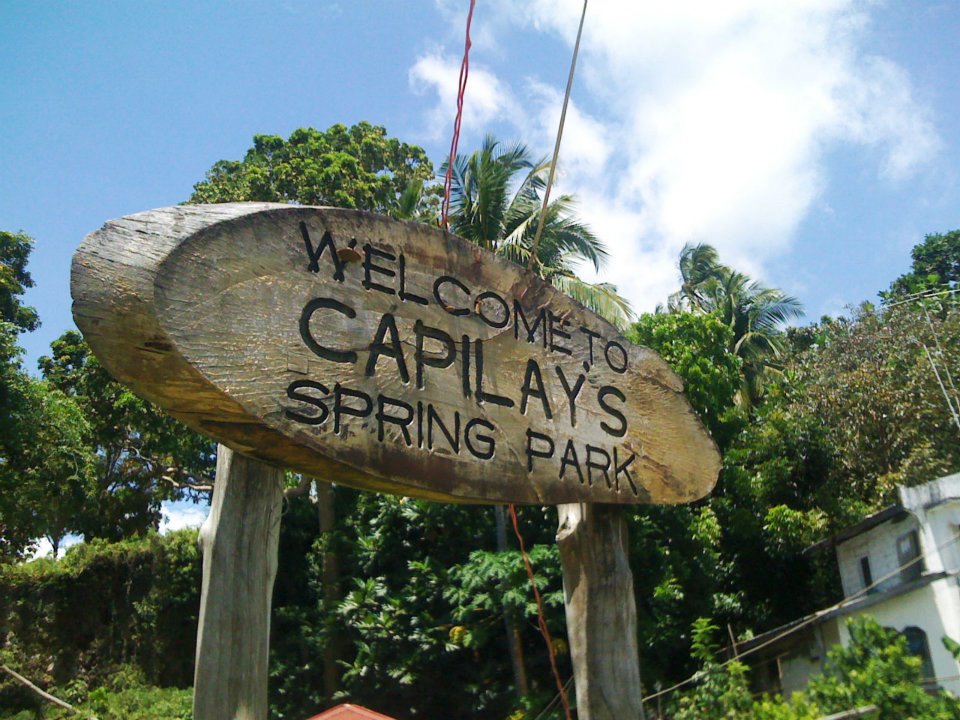
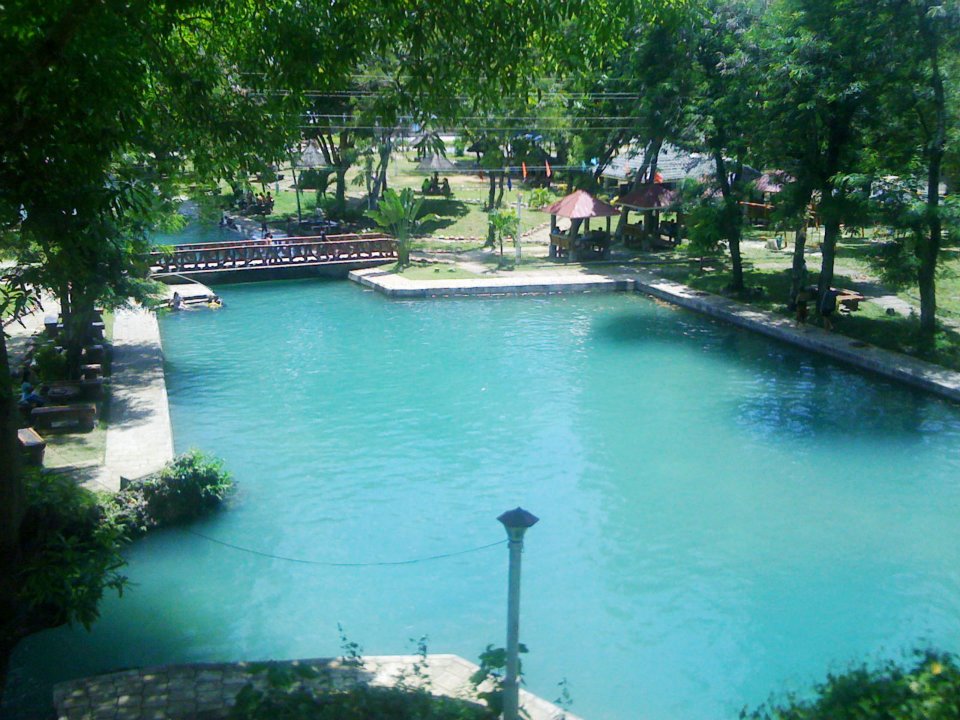
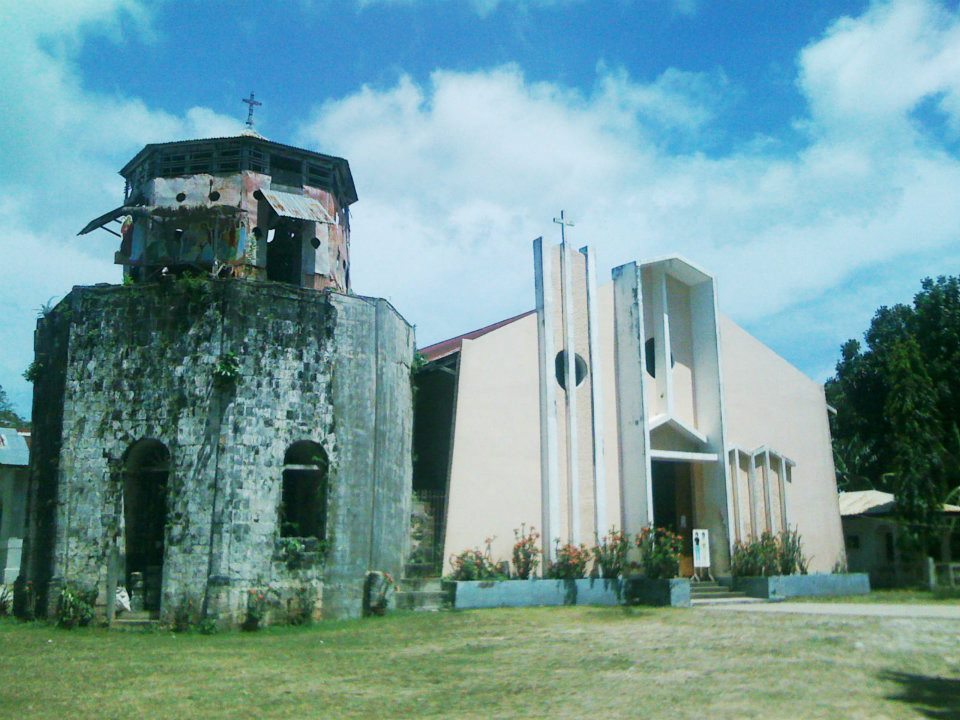
Time stops in Siquijor. What seems to be like a whole day sunbathing on the beach are actually just a few hours, leaving you more time to explore. Walking distance from the beach in San Juan is Capilay Springs, a cold spring park where locals like to spend and kill time, singing the lazy afternoon away with their guitars and beers. The springs are located on the foot of a hill where a rock staircase leads you to a small but beautiful, old stone church.

While there are still rumors of black magic going around the island and love potions selling like hotcakes as souvenirs, one cannot simply turn away from the beauty of Siquijor Island. Add in the sheer kindness and generosity of the locals (seriously, one of the kindest folks you’ll ever meet), this place is slowly but surely becoming a bucketlist item. The magic has only just begun.

Getting There

The only way to get to Siquijor Island is by ferry and the main jumpoff point is Dumaguete City. Fly from Manila to Dumaguete via Philippine Airlines or Cebu Pacific and head to Dumaguete Port where ferries ply to Siquijor everyday. Highly recommended is Ocean Jet. There are also ferries going to Siquijor from Cebu City port.

Getting Around

The best way to see the sights in scenes in Siquijor is to rent a scooter/motorbike. The roads are almost empty and safe for going around. Otherwise, you can take an island tour offered by tricycle and multicab drivers once you arrive at the port. For scooter rentals and tours, contact Jeanel – 09263831853.

Alamat Filipino Pub: A Tasty Story of Filipino Food and Culture

Alamat is a Filipino word that could be translated different ways: legend, folklore, or tradition. But it all boils down to one main thing: story. Tucked in the heart of Poblacion in Makati City is a place where the story of the Filipino culture starts at the tip of your taste buds and comes to life in the palates: welcome to Alamat Filipino Pub and Deli.

A brainchild of acclaimed Chef Niño Laus and wife Cassie, Alamat is one of the few, if not the only restaurant in Poblacion that features authentic Filipino food. “The location came before the concept,” shares Cassie. “Poblacion is becoming a hub for travelers and foreigners because of the hostels around and we thought it would be the perfect place for us to introduce our culture through authentic Filipino food.” But even some locals are not that familiar with food coming from different regions of the country and Alamat serves this purpose well. The crowd is a good mix of both local and foreign.

From the star-shaped lights made out of Capiz shells that glisten in a lattice above your head, detailed cement blocks as walls, and murals of folklore creatures, Alamat transports you to anywhere but the bustling metro. For locals who originally came from the provinces or have relatives outside the Manila, it’s like visiting your grandmother’s ancestral house. For the foreigners, it gives you a glimpse of what to expect in the Philippines once you step out of the capital and head to the different islands.

Let’s get down to business. What better way to start the night than a glass of cold beer. Alamat has a wide selection of craft beers locally sourced around the Philippines, from the northern regions of Baguio down to the islands of Cebu. Summer Passion and Message in a Bottle (strong at 7.6%) are a must-try.

A big bowl of chips to start comes to the table. Instead of thin potato slices, Indi Chips is made out of homegrown rootcrops like taro, sweet potato, cassava, and purple yam and comes with a hearty dip made out of micro-shrimps that can only be found in a lake in Laguna. And that’s just the start!

Then there’s Bacon Bagnet, a basket of sweeter-than-usual bacon inspired by the deep-fried crispy pork belly dish from Ilocos.

Skewers and sausages take centerstage in Alamat. Their take on Sinuglaw is a grilled pork skewer with tangy tuna ceviche. Instead of using normal beef, Alamat’s Bistek is grilled Wagyu beef skewer on a bed of laing, a Bicolano favorite made out of taro leaves and coconut milk.

Then there’s the artisanal sausage made out of Chicken Inasal, Bacolod’s pride. Aside from this, their sausages come in Sisig, Dinuguan, and Adobo.

And the main star of the night would have to be their version of Papaitan, a 200-year old dish from Ilocos. It’s a hot, bitter stew dish made out of beef innards. Originally bittered by using the gallbladder, Alamat instead grates a bar of Davao on to the soup right before your very eyes. The Filipino fiesta spirit truly comes alive.

For now, World Music and indigenous Filipino beats from the likes of Pinikpikan and Bayang Barrios accompany the diners. But on the works are live performances on special nights. As the food scene in Manila goes global in flavors and style, it is admirable that some restaurateurs still want to showcase authentic Filipino cuisine. Alamat is a story of the Philippines — one that needs to be tasted, told, and shared.

Alamat Filipino Pub is located at 2F, Mekanor Building, 5666 Don Pedro Street (next to Z Hostel), Poblacion Makati.

All Photos by Claudia Aotriz

Taal Volcano: A Day Trip from Manila

Guest blog by: Hanna Sobczuk

Most people who come to Manila stay here one or two days and head off to other islands. However, if you decide to explore some surrounding area of the Philippines capital city, we recommend you to visit Tagaytay and Taal volcano, the smallest active volcano in the world.

Some people laugh and call Taal an inception, just like the movie with DiCaprio. It is because of the lake around the volcano as well as inside the crater. I mean, if you look at the map you’ll see the Pacific Ocean with Luzon Island, then a Taal lake in Luzon, a Taal Island in the Taal Lake and a lake in the crater. Ocean – island – lake – island – lake. Inception, right?

What is more, Taal is the smallest still active volcano in the world as it’s highest elevation is only 311 m (1,020 ft). The last eruption took place in 1977 but the last biggest one was over a hundred years ago, in 1911. Citizens in Manila, which is about 60 km away from Taal, felt the seismic activity of the volcano that caused earthquakes and heard the eruption, which first they mistook by a loud thunder. The ashes of that eruption fell down in the area of 2000 km in diameter around Taal.

Even if the volcano has been quiet since 1977, it is still active and has shown signs of unrest since 1991, like for instance seismic activity and formation of mud pots and mud geysers. However, the trip to Taal volcano is safe and scientists watch over the volcano’s activity.

How they can say that it’s dangerous to visit the volcano as it may erupt? For example when the frequency of volcanic quakes increase and temperature and level of the water in the crater lakes changes. As an addition you can smell strong sulfuric odor (similar to rotter eggs) and see killed fish in the water and drying up vegetations. There are more signals but so far it is still safe to visit the Taal volcano. 😉

Despite it is officially forbidden to live in the island, some local families decided to settle there earning a living by fishing, farming crops and serving the tourists offering horse ride up to the crater.

Of course, riding a horse is not the only option. You can still walk but make sure you take food and planty of water with you, something to cover from sun (or rainproof!) and wear comfortable close shoes. The walk should take you approx. 45 minutes but in a nice sunny day it can be really exhausting as there is almost no shade on the way, the sun burns and the heat of the volcano makes it even worse. In rainy day it’s not better because the road up to the volcano is covered with slippery mud… But any day you take your trip – be prepared even if the hike is not that long.

On the way up you’ll see exposed sulfur. It’s easy to see it as it is yellow and steams. Watch out, it’s hot! Around the crater you can see more steaming places and even one where you can see magma.

Some people even try to swim in the crater lake, despite the scientists don’t recommend that. If you decide to do it, be really careful as the toxic gases may be very dangerous especially further from the shore!
A daytrip to Tagaytay and Taal volcano is a good idea if you want to explore surroundings of Manila and / or you are already tired of the city. It’s great option to spend some time with friends or people met in Z Hostel! 😉

How to get to Tagaytay from Z Hostel? Depends if you are alone or with friends, there are 2 options: – using public transport from Manila – just make sure you leave early to avoid the traffic! – share a taxi. Grab taxi one way to Tagaytay costs 1000 pesos but if you want the driver to wait for you whole day and take a highway you should count more. The day price depends on what you negotiate with the driver. It’s good to have some friends with you to share the costs!

To get to the Taal volcano you need to go to Tagaytay and rent a boat that will take you to the island. It can be a bit expensive so you should haggle. Going with friends can help you share and save some costs!

Check out more of Hanna’s travel experiences at http://hannatravels.com

Escape the City: Surf and Serenity at Liwliwa, Zambales

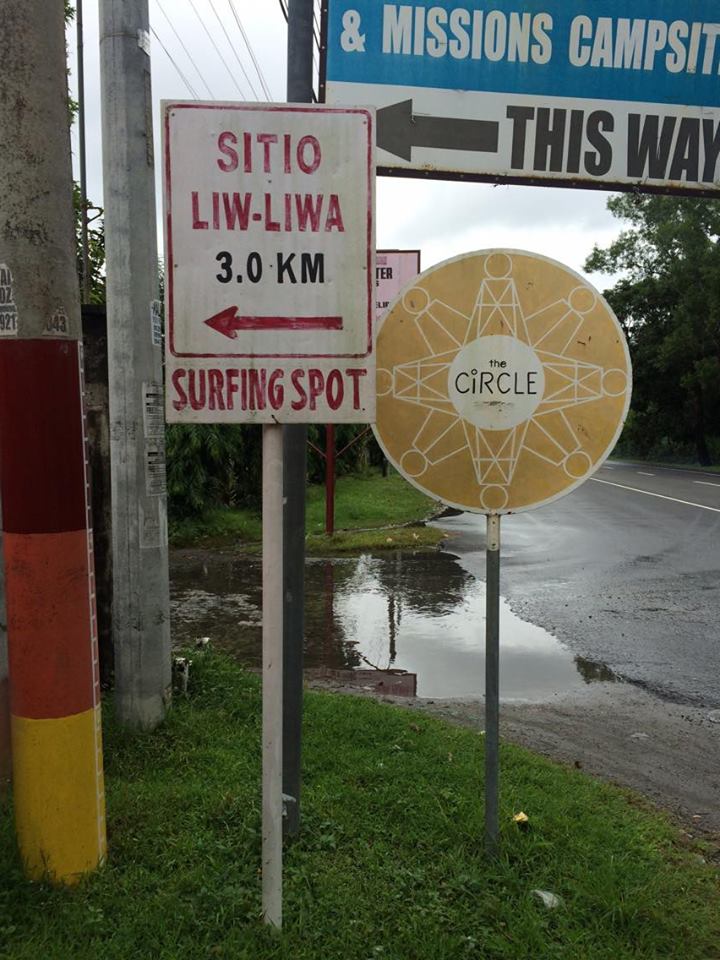
Its name may not be as popular as Baler, its swells may not be as frequented as La Union’s. But its gentle waves and sloping shores make it a retreat from the city definitely worth the drive or a bus ride. Step into the sleepy yet special town of Liwliwa in Zambales: where surf is the heartbeat and serenity is soul.

Just about four hours away from the bustling and busy Manila, Liwliwa has become an alternative to the more famous surfing spots up north. From the main road of San Felipe, Zambales, a narrow crossing with a small town marker and a hostel’s name stand (they’re not too noticeable so be mindful) leads one to the quiet town of Liwliwa. What instantly captures the attention are the pine trees dotting the road sides, an interesting twist to the tropics.

Structures with thatched roofs, surfing boards, and colorful artwork officially welcome one to Liwliwa. These hostels and inns perfectly fit into the scene: they are homey, rustic, and soulful. The accomodation is simple but it’s actually everything the place exudes and what a weary soul longs for: away from the hustle and bustle, close to nature, and back to basic.

A quick walk through a smaller alley still lined up with pine trees takes one to the beach. Finally, clear blue sky, roaring seas, and fresh air! The beach is wide, unspoilt, and empty, save for a few huts made out of drift wood and coconut leaves.

Honestly, it cant rival the shores of Boracay, Cebu, or Palawan but there is something about the place that draws you in instantly, that makes you feel home and at peace. It is chill as chill can get.

Many of the travelers prefer to just laze and lounge around the shores and take the relaxing atmosphere in but some take the call of rush and head on to surfing Liwliwa’s waves. Almost all hostels and restaurants offer surf lessons with locals as instructors and they very much welcome beginners. Others go skimboarding when the waves are gone as the day begins to end. With some beers in hand, Xavier Rudd’s songs on loop, and the company of friends (and even with the strangers there you’ll eventually be friends with), the skies in Liwliwa turns into a beautiful canvass of violet, yellow, and red. Breathtaking.

If one could only point to one thing that makes Liwliwa feel home, it must be the people. From the hostel staff to the owners and servers at the local eateries, they welcome and embrace you with such warmth and familiarity, even if it’s just your first time. They remember your face and greets you the next morning as you walk past their stores.

The vibe upon entering Liwliwa is good but in just a few hours time especially after catching some waves, a down time at the beach, and some good conversation with the locals, it becomes nothing short of great.

How to Get There

  • Ride a bus from Cubao or Pasay to Iba, Zambales and tell the driver to drop you off at San Felipe.
  • From the bus stop, look for tricycles and tell the driver to take you to Sitio Liwliwa.

Where to Stay

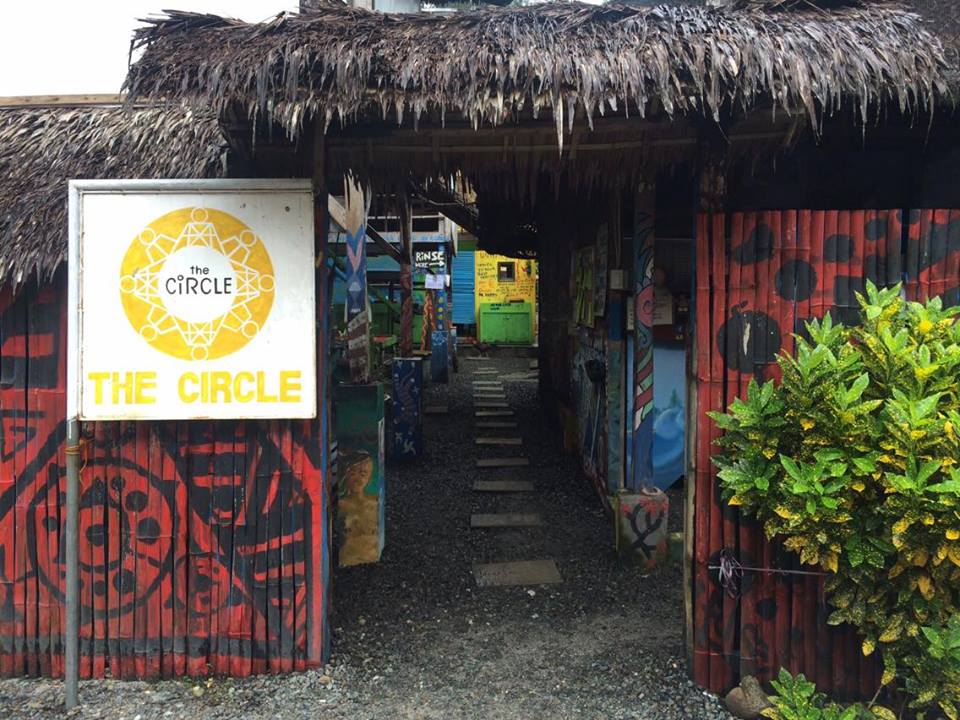
There are a number of hostels and inns in Liwliwa but highly recommended is The Circle Hostel.

It’s known for its quirky design of quotes, art, and other colorful bits and pieces plastered and written in almost every corner of their wooden sheds. The accomodation are very basic and an interesting choice would be to stay in a hammock.

The staff are uber-friendly and accomodating. The freshly brewed coffee in the morning is amazing, too!

Where to Eat

Mommy Phoebe’s offers delicious, homecooked meals and refreshing fruit shakes at very affordable prices. But the highlight would be the staff who are like instant aunts taking care of their little nieces and nephews.

Ate Fely’s offers the best and generous servings of Silogs (rice-viand-egg meals) and cheap, cold beers!

The Book Stop Project: A Must-Visit Pop-Up Library in Manila

Travel is undoubtedly one of the best ways to learn about the world. But one thing has always brought us to worlds unknown and interesting characters without having to leave: books.

In this day and age of eBooks and Kindle, it may seem like they are already out of place. But nothing still beats that earthy smell when leafing through a novel. Nothing still beats feeling like opening doors and entering dimensions with your own fingers. Thanks to the book-loving people behind WTA Architecture and Design Studio, a mobile pop-up library has been making rounds in some of Manila’s most picturesque and historic locations.

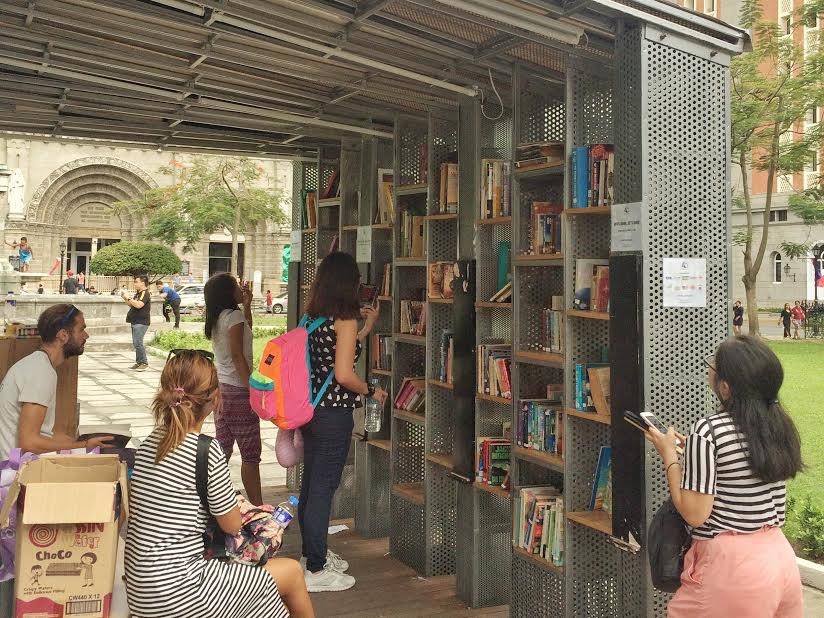
The Book Stop Project is definitely becoming a hot spot for the bookworms and the plain curious ones. In the middle of a park, in front of a beautiful cathedral, is a steel shed that houses a collection of pre-loved books and some wooden benches for a delightful reading time and interaction with fellow readers. More than a bit-sized library, it is a portal of learning where people from all walks of life can enter, pick up and read a book, and exchange ideas with each other.

And the best part? Knowledge-sharing built upon honesty. This mobile library encourages exchange of books, with not one attendant or registration counter around. You get one, you leave one. If you don’t have anything to leave, just make sure to return what you borrowed. And if you have more books to share, much better. The idea is to reinvigorate the public’s interest in books, in libraries, in sharing and interaction in a contemporary setting. As their motto espouses, The Book Stop Project aims at “sharing ideas one book at a time.”

The Book Stop Project made its first stop in Ayala Triangle Gardens, a lush green space in the middle of the urban jungle that is Makati City. It then traveled to Plaza Roma, Intramuros, just right in front of the iconic Manila Cathedral. It is now currently in front of another architectural gem, the San Sebastian Basilica, being the only prefabricated steel church in the world.

A visit to The Book Stop Project is definitely a win-win situation. You get to read a book and share ideas with a breathtaking basilica as a backdrop. So while you are in Manila, definitely make this one of your city tour stops!

Visit The Book Stop PH for exact location and latest announcements of The Book Stop Project.

Buscalan, Kalinga: Where the Traditional Tattoo Lives On

Most travelers head up north of Manila to cool down in summer capital Baguio or La Union to catch some good waves or to Banaue to witness the majestic rice terraces. But further up the province of Kalinga and into the depths of the earth lies an isolated and serene village of Buscalan where the traditional tattoo art lives on.

Just as how special the tattoo tradition in Buscalan is, the journey going there is nothing short of epic. A 15-hour travel by bus, van, and jeepney takes one from Manila to Bontoc to Buscalan. The road from Bontoc to Buscalan is one of the most scenic any person can ever imagine: lush and endless mountain ranges, the raging waters of Chico River, and perfectly carved rice terraces. But it definitely is not for the faint-hearted. While the views can be best seen and experienced by riding on top of the jeepney, the sight of deep ravines just a few inches away from the jeepney’s tires will make one hold on for his dear life.

From the drop-off point, the 1-hour trek to the village begins. With the locals as guides, one walks through a narrow path along rice paddies and across mountains. The steps are steep and slippery and the trek seems endless. Then a gorgeous amphitheater of rice terraces dotted with tin roofs begin to unfold. Welcome to Buscalan.

The locals open up their homes for travelers to stay. For P250 a night, one gets a mattress and unlimited rice and coffee. Kalinga coffee is delicious. Their brew is not too bitter, not too sweet. Just the perfect blend to sip in the middle of fog-covered mountains. The locals are friendly, warm, and simple. They make you feel like you are a part of them. They also greatly appreciate some gifts (it is advised not to bring candies for the kids anymore, school supplies and dental kits might be more helpful). And as they share their interesting stories, one can’t help but notice the beautiful and intricate artworks in their bodies: the traditional tattoos.

The Bubut tribes in Buscalan are warriors known for their headhunting tradition from decades ago. Once a man takes down an enemy and brings back the head to the village, he earns a tattoo. For the women, the heavily decorated your body is, the more beautiful you are. The designs also signify different meanings: centipede for protection, pythons for strength, and an eagle for courage, among others.

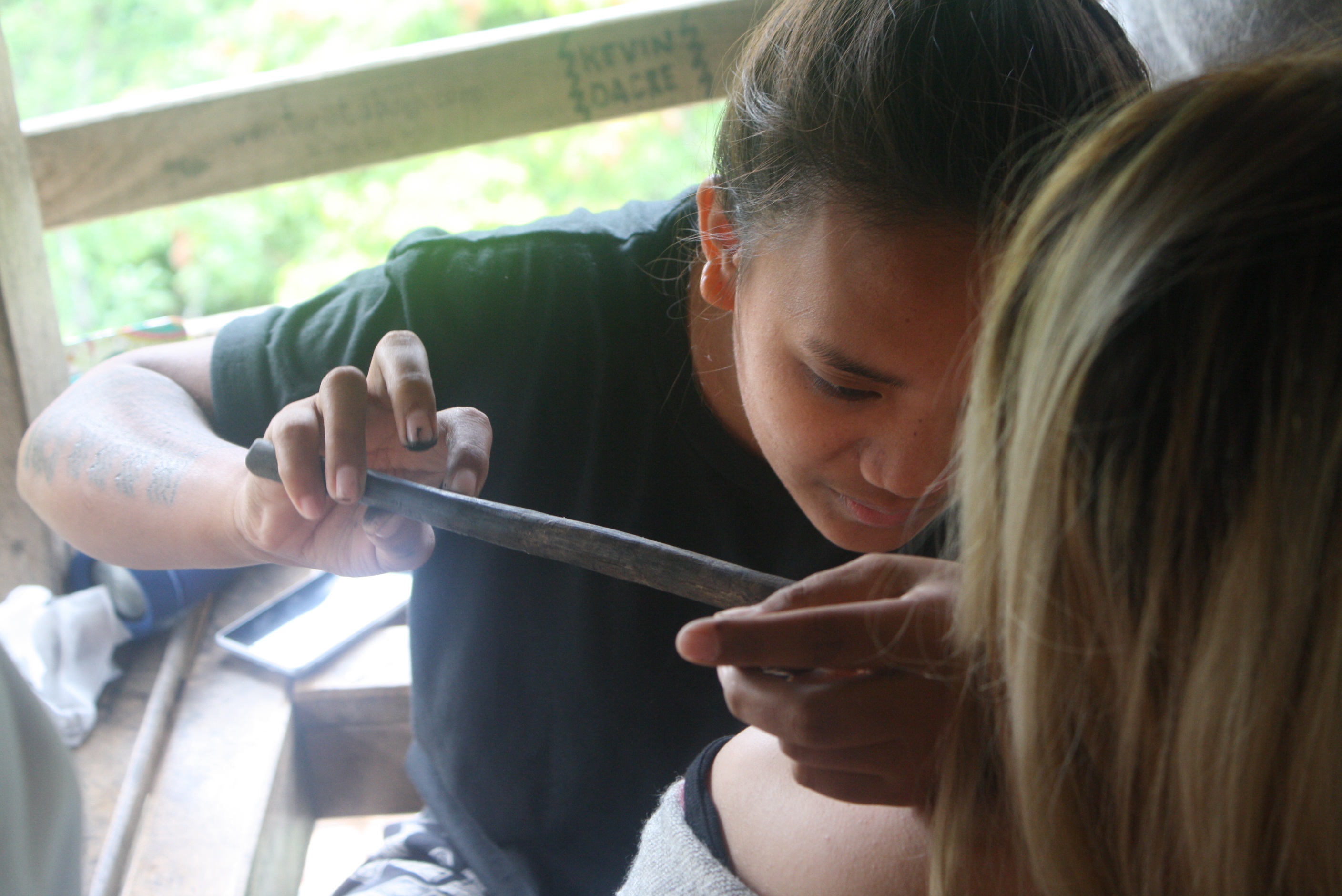
The town of Buscalan has become famous over the last years as people want to have a piece of this tradition most notably from the 98-year old Apo Whang-od, regarded as the oldest and last “mambabatok” from the tribe. But the tradition lives on as the new generation members Grace and Eliang, two young and beautiful ladies, have started to do the tattoos to visitors as well.

Using a bamboo stick with a sharp calamansi at the end and pine loot as ink, the painful yet rewarding tattoo art begins. The women’s skillful hands bring the intricate designs to life as the inked thorn pricks the skin. Blood rushes out and the sting lasts. One is marked forever.

Deep into the mountain ranges lies a village where an important tradition lives on. The journey to Buscalan is not easy. The lines to get a tattoo from Whang-od and her granddaughters are long. But as the locals have said it, “if you cannot wait, you don’t deserve it.” But if you can, the epic journey awaits.

How to get there

  1. Take a bus from Sampaloc, Manila (Ohayami Bus) to Banaue. It leaves every night at 9:00 in the evening.
  2. From Banaue, ride a van to Bontoc.
  3. From Bontoc, ride a jeepney to Buscalan drop-off.

Reminders

  1. It is better to travel by group to split the guide fee of P1,000/day for 4 people. Guides are usually on stand-by at the drop-off point.
  2. Bring food to cook and share as the homestay fee of P250 only includes coffee and rice.

Crying Tiger Street Kitchen: A Thai Delight in Makati

Adding to the multi-cultural vibe the streets of Poblacion in Makati is getting known for is another unpretentious and simple hole-in-the-wall restaurant, The Crying Tiger Street Kitchen. While a number of restos in the area serve Mexican and Western flavors, this one cooks up our delicious Thai favorites.

Although located along Guanzon Street in Makati and just across A-Venue Mall, it takes a good eye for hip design to spot The Crying Tiger. It just blends right in the neighborhood. It’s not fancy but it’s nowhere near shabby as well. Cement walls are accentuated by a pop of bright-colored paint, a variety of lamps give warmth to the place, and the simple wooden tables and colorful steel chairs make the place so inviting without any intimidation. The place definitely reminds you of the small, charming open-type cafes and restaurants in the street corners of Chiang Mai.

It isn’t surprising to know the same people behind the well-loved restaurants in the same area namely El Chupacabra and Señor Pollo are also the masterminds of this Thai delight. It has the same homey but cool feel to it, the same kind of mystery that draws you in. The crowd is also a good mix of foreign backpackers and neighborhood locals and young professionals.

While it took awhile for the food to come, it did not disappoint in taste. The classic favorite Pad Thai (P225) glistened and looked very generous in serving. It also tasted as good as it looked, every strand of the glass noodles and the mung bean sprouts were packed with just the right sweet and salty flavors. Pad See Ew (P225), while it looked rather pale and unappetizing, was also a winner in taste. The Char Siu Pork Rice (P225) is also a treat to the tastebuds, especially with its spicy kick. Down some Thai Iced Tea and you’re solved! Overall, they could do much better in presentation though.

If you’re looking to satisfy your Thai food cravings or just want to take a break from the tacos and barbecues then make sure to give The Crying Tiger a stop when in Makati. With a few improvements in place, a dinner out at The Crying Tiger will definitely be a tears-of-joy kind of experience.

The Smokeyard: American Barbecue in Poblacion, Makati

The quirky streets of Poblacion in Makati, now a gastronomic hotspot, has just become hotter with the new addition on the block: The Smokeyard. Sharing the same space in the newly opened Mekanor Building with new restaurants Wild Poppy, Alamat PH, and Bucky’s, this all-American barbecue joint is a meat-lover’s paradise.

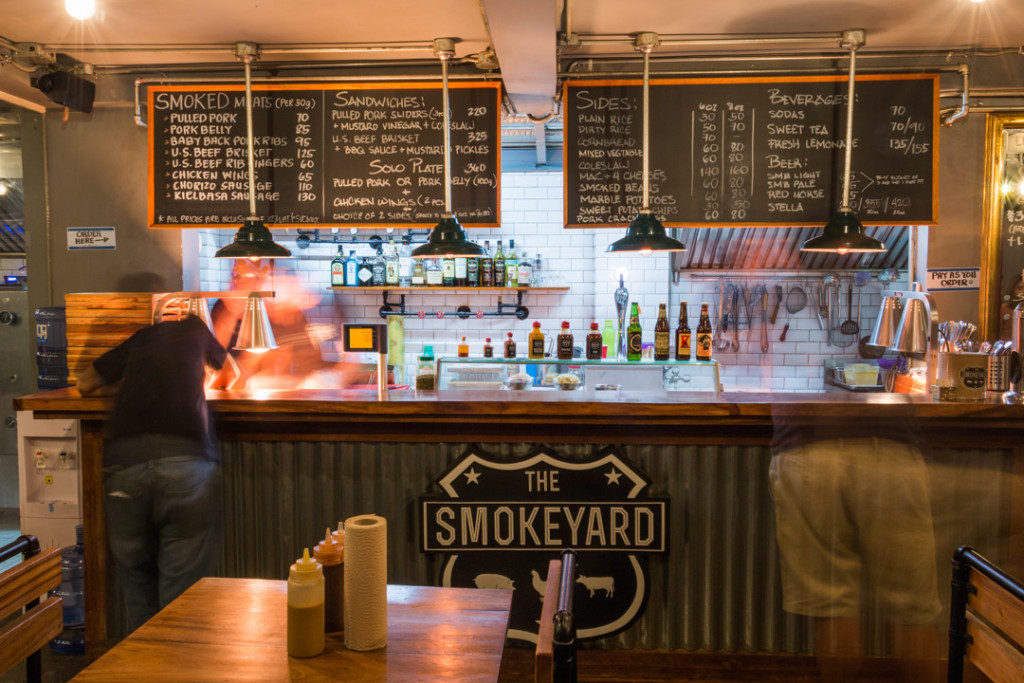
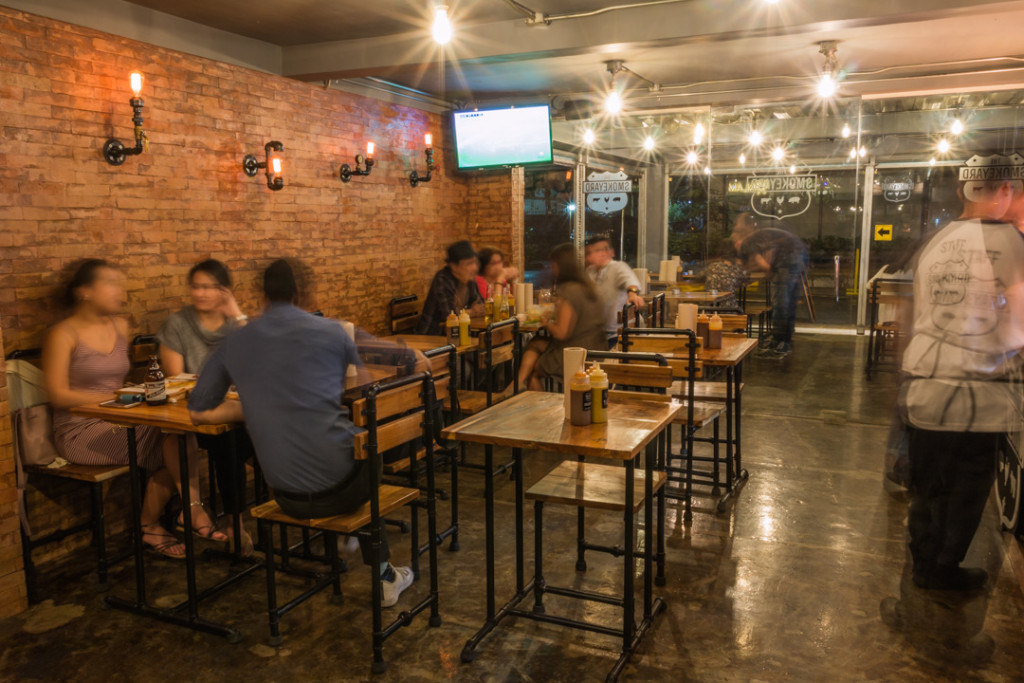
While you won’t literally see smoke coming out by the restaurant, the earthy and woody smell instantly captures and draws you in. Walking inside takes you to a visual mix of wooden and industrial from beautiful wooden tables and interesting warm lamps from steel pipes.

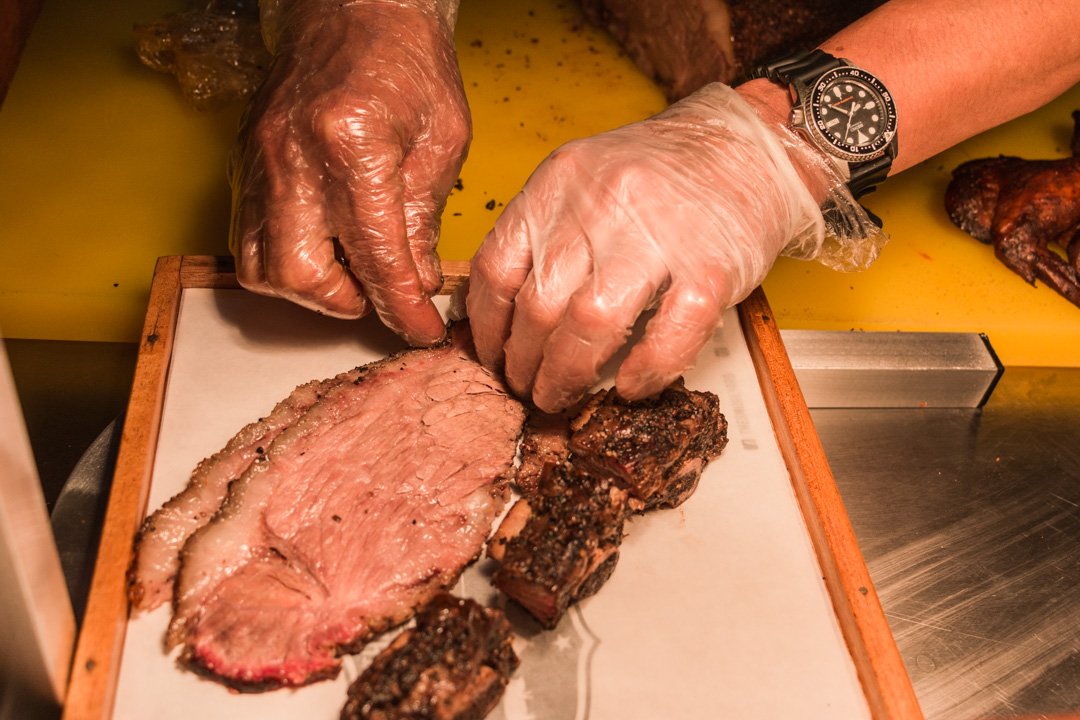
The main attraction is of course the food: smoked meats and a wide array of sides to choose from. The place is perfect for hungry tummies or those who simply want a mouthful of sumptuous meats rubbed and smoked to perfection.The stars include beef brisket and ribs, pulled pork, pork belly, and chicken wings — all go best with their in-house barbecue sauces.

The good thing about Smokeyard is that you can order these meats in small portions (50 grams) so you could get to try a little bit of many things.

Complementing the rich taste of the meats are sides that include coleslaw, mac and cheese, vegetables, smoked beans, and dirty rice (fave!). And rounding up this earthy treat is a glass of house-made and freshly brewed iced tea. But heads up! Don’t get disappointed that the rib meat don’t fall of the bone (when every other restaurant tells you it’s the way it should be), owner and pitmaster Troy Conine explains it’s how it’s supposed to be done: tender yet still intact.

The Solo Plates option is a real treat, too. On a wooden tray you get 100 grams of pork, two chicken wings, and a choice of two sides. An additional portion of meat does not hurt either. The meats noticeably get cold fast so it is best to devour them right away. But it is the slightest of disappointment as the taste makes up for it, and a splash of fire sauce gives the meats a final kick.

Overall, The Smokeyard is definitely worth trying. The staff is friendly and there’s a chance Troy will be the one bussing out your plates, complete with a big smile and a quick remark hoping you enjoyed your food. And you’ll undoubtedly say yes!

All Photos by Claudia Aotriz

The Wild Poppy: Asian Flavors and Pretty Decors

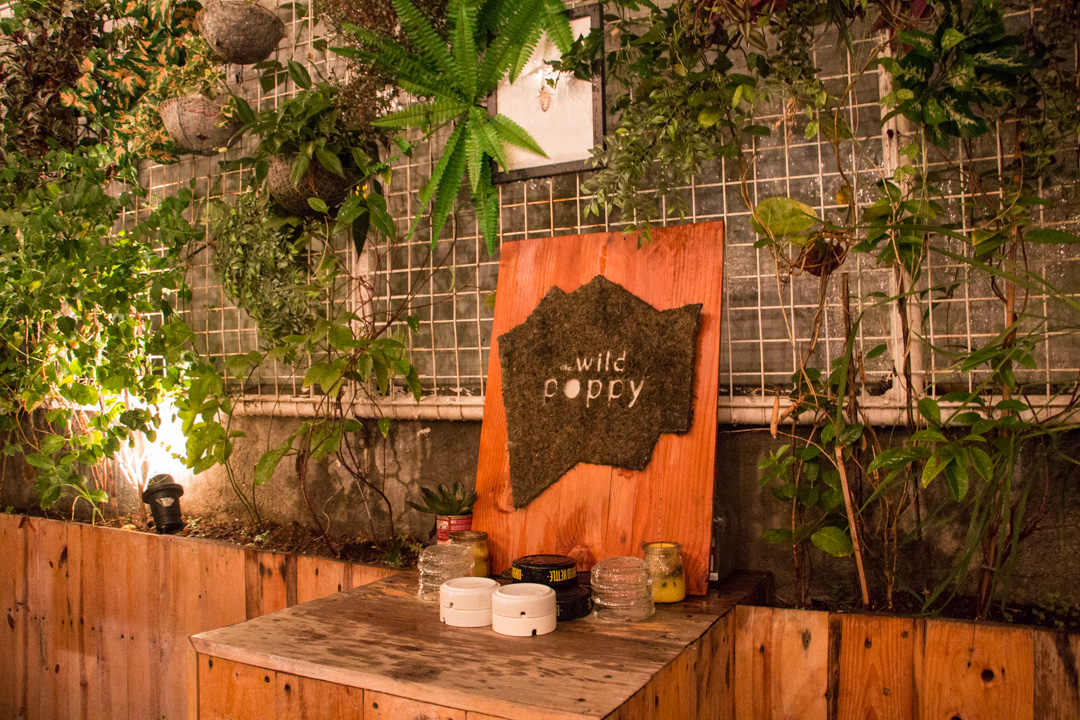
In the heart of the concrete jungle that is Makati City, only few places seem to cater to that much-needed respite from everything solid and sturdy. But thanks to creative minds who have created that perfect oasis right in the middle of the city. Enter The Wild Poppy in Poblacion, Makati: the newest food haven serving Asian flavors and fresh cocktails on a rooftop urban garden setting.

Every corner is undoubtedly Instagram-worthy: bright yellow and aqua walls with Chevron patterns, wooden tables and chairs with colorful throw pillows, plants and flowers everywhere, and an outdoor rooftop area with the quintessential stringed light bulbs. No need to worry about the rain, too! There’s a transparent overhead tent outside, perfect for that al fresco dinner on a rainy night.

The design itself is already visual feast. The food and drinks take the experience to a whole new level. The Wild Poppy serves Asian-inspired dishes, from Thai to Korean to Indonesian, all with a fresh and exciting twist. The menu is short and simple, the serving size relatively smaller than expected but the flavors are bang-on.

The best starter would have to be the Pokpok Bites, light and crispy bite-size chicken nuggets topped with shallots and laksa leaves. It comes with a special vinegar sauce, too.

The Yoko Tomorokoshi is a sure-fire starter as well, grilled yellow corn topped with kesong puti, scallions, yuzu smoked aioli, onions, and cilantro. Seriously, corn has never looked and tasted this good! The Wild Poppy takes you to the busy streets of Vietnam with their Roll Chi Minh, fresh spring rolls of grilled prawns, pomelo, tomyao, and rocket with a smashing peanut dip on the side.

The buns and rice dishes round up their offerings with flavorful meats and interesting pairings. A personal favorite is the Chicken Ren Damn, their take on chicken rendang. It is sweet, spicy, and packed with a silky coconut flavor that is a treat to the palate!

If you’re in for a classic Asian dish, Hoi Belly! is for you. Braised and pan-seared hoisin-glazed pork belly. Both dishes can be ordered in a mantou bun or with wild rice. The Kim and Reuben can’t be missed, either. It’s an Asian take on an American favorite: smoked corned beef, Kewpie mayo, Swiss cheese, and Kimchi all in one slider bun. It’s a rollercoaster of flavors and textures on the mouth.

Rounding up the burst of tangy Asian flavors are their refreshing drinks. Cucumber Frost to the front: lemon juice with blended fresh cucumber and a spike of gin. Imagine splashing yourself with cold water on a hot summer day. Yes, that’s the feeling you get. Those who want to skip the alcohol must not skip on their Sun Brew, a mix of tea and dalandan juice. And it is honestly like sunshine on a glass you’d actually end up getting two.

The Wild Poppy might not be the most ideal place for the hungriest of tummies but the small, bite-size Asian-inspired dishes definitely do not disappoint in flavor, texture, and aroma. And to eat them in an urban garden on a rooftop in the middle of the city? Best wild idea ever.

The Wild Poppy is located at 2F, Mekanor Building, 5666 Don Pedro Street (next to Z Hostel), Poblacion Makati. Open from Mon-Thurs 5PM-12MN and Fri-Sat 5PM-2AM. IG @thewildpoppy

All Photos by Claudia Aotriz


|| book now ||